As urban areas increasingly adopt LED street lights, a critical question arises: What causes LED street lights to dim over time? Understanding the factors behind this phenomenon is essential for city planners and maintenance crews. Knowing how these systems degrade helps optimize performance and prolong their lifespan.
LED street lights are designed for longevity, yet they do not last indefinitely. Several reasons contribute to their gradual dimming. Heat is one of the culprits. Excessive temperatures can damage the LED chips, leading to reduced brightness. Furthermore, the quality of components used during manufacturing plays a significant role.
In addition, environmental factors can impact performance. Dust accumulation and exposure to harsh weather can wear down these lights. Regular inspections and maintenance are crucial, yet they are often neglected. This oversight raises questions about the reliability of urban lighting systems. Exploring what causes LED street lights to dim over time allows for better implementation and care, ensuring cities remain well-lit and safe for all.
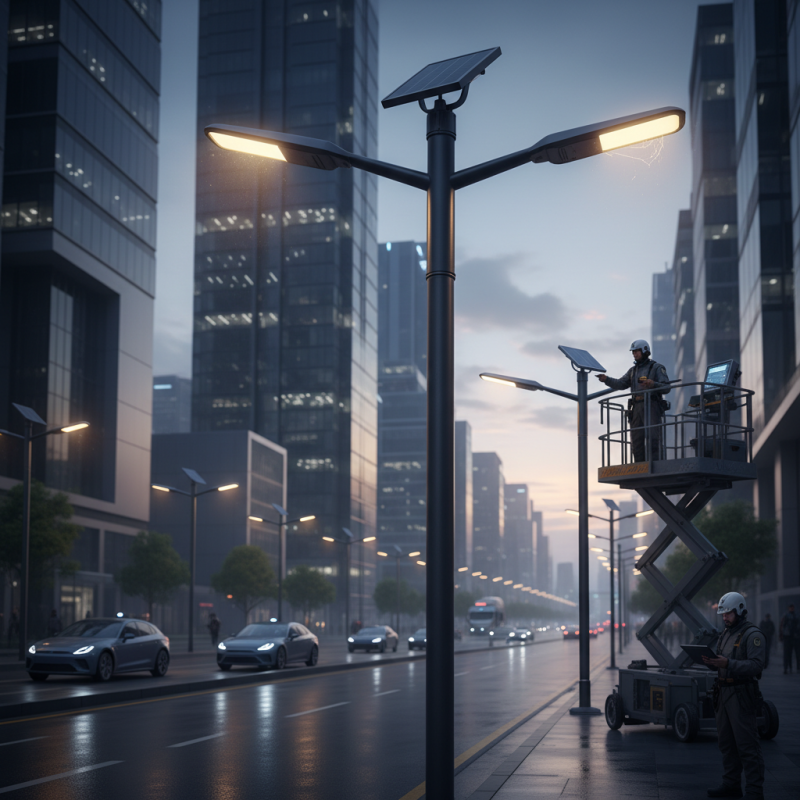
LED street lights are known for their efficiency and long lifespan. However, over time, they inevitably dim. Several factors contribute to this phenomenon. One primary cause is thermal management. If the heat is not dissipated effectively, it can lead to shortened life expectancy. According to the Department of Energy, high temperatures can reduce lumen output by 20% or more, affecting visibility on the streets.
Another significant factor is component degradation. LED chips and drivers may lose efficiency due to aging. Reports show that over a 10-year period, the lumen maintenance of some LEDs can fall below 70%. Environmental factors also play a role. Changes in weather, humidity, and pollution can impact the performance of street lights. Poor air quality can lead to dirt accumulation, reducing light output. Regular maintenance becomes crucial in extending the life of these systems.
Interestingly, the design of the luminaires can influence how effectively they perform over time. Some designs trap heat, exacerbating the dimming issue. A 2023 study indicated that well-ventilated fixtures maintained brightness levels significantly better than their poorly designed counterparts. The need for better design principles in outdoor lighting solutions cannot be overstated.
LED street lights are praised for their energy efficiency and long lifespan. However, these lights can diminish over time due to various factors, primarily thermal management. Proper heat dissipation is crucial for LED longevity. High temperatures can accelerate aging processes, causing light output to diminish. Studies show that LEDs running above their specified temperature can lose up to 30% of their brightness faster than expected.
Thermal management systems, such as heat sinks and temperature controls, play a significant role in maintaining optimal operating conditions. A report from the Department of Energy indicates that effective thermal management can extend LED life by an average of 50,000 hours. This is essential for urban planners and municipal managers who rely on the longevity and reliability of lighting systems.
Tips: Regular maintenance checks can help identify overheating issues. Keeping fixtures clean and ensuring proper air circulation can mitigate dimming. Consider using advanced thermal monitoring solutions to track temperature fluctuations in real-time. Establishing a proactive maintenance schedule ensures LEDs maintain their brightness longer, benefiting both communities and budgets.
Electrical supply variations significantly affect LED street lights, especially regarding their brightness and longevity. According to the U.S. Department of Energy, fluctuations in voltage can lead to a 20% decrease in LED performance over time. LEDs are designed to operate within specific voltage ranges. When voltage exceeds these limits, the diodes can overheat, leading to dimming and early failure.
Additionally, power surges can cause immediate stress on the LED chips. A report from the Institute of Electrical and Electronics Engineers indicates that inconsistent voltage can accelerate photometric degradation. This degradation might not be visible immediately but can lead to a reduced lifespan. Many municipalities fail to monitor their electrical supply consistently, which contributes to unexpected dimming.
Street lighting systems must incorporate protective measures against voltage variations. Surge protectors can prevent significant damage and prolong the effectiveness of LED lights. However, some installations overlook this vital component. Regular assessments of the electrical supply can help identify issues before they lead to extensive dimming. Lighting systems that fail to adapt may find themselves dimming prematurely, impacting visibility and safety.
Environmental factors significantly impact the lifespan of LED street lights. Over time, exposure to elements like moisture, temperature fluctuations, and pollution can lead to reduced brightness and functionality. For example, high humidity can cause corrosion in the internal components. This, in turn, accelerates wear and tear on the lighting system.
Temperature extremes also play a crucial role. In regions with intense heat, the LED chips may overheat and degrade faster. Similarly, cold climates can disrupt the performance of electronic circuits. Both scenarios lead to the premature dimming of street lights.
Regular maintenance and monitoring are vital. Unfortunately, many municipalities neglect these essential tasks. Without proactive measures, the effects of these environmental factors compound over time. This neglect results in higher costs and longer periods of inadequate lighting. Awareness and better management of these factors are crucial for maintaining the effectiveness of LED street lights.
LED street lights have become a popular choice for urban lighting due to their energy efficiency and longevity. However, as time passes, many municipalities observe a troubling dimming effect. This dimming is often linked to fundamental design flaws in the luminaires themselves. Poor thermal management can lead to overheating, which impacts the overall light output. When LED chips overheat, their lifespan reduces, leading to decreased brightness.
Improper lens design may also play a role. A poorly designed lens can scatter light unevenly, causing some areas to seem dimmer. This defect might not be apparent immediately. However, as the lights age, the effects become more pronounced. Understanding these design flaws can aid in selecting more reliable lighting options for future installations.
Tips: Regularly inspect street lights for uniformity in brightness. Early detection of a dimming trend can indicate issues with the luminaires. Consider investing in luminaires with better thermal management features. This ensures longer lifespans and consistent light output. Remember, investing in quality design can prevent future headaches for city planners.
: LED street lights can dim due to thermal management issues. Effective heat dissipation is crucial for maintaining brightness.
High temperatures can decrease lumen output by over 20%. This impacts street visibility significantly.
As LEDs age, the efficiency of chips and drivers declines. After ten years, some may drop below 70% lumen maintenance.
Weather changes, humidity, and pollution can negatively affect performance. Dirt accumulation reduces overall light output.
Poor thermal management and lens design flaws can trap heat. This overheating reduces lifespan and brightness of LEDs.
Regular inspections help identify dimming trends early. This timely detection can prevent larger issues with luminaires.
Focus on luminaires with optimized thermal management features. Quality design can help extend lifespan and light consistency.
A poorly designed lens can scatter light unevenly. This may lead to noticeable dimming in certain areas over time.
Investing in better designs and regular maintenance can help reduce future dimming issues. Planning is key to avoid headaches later.
Existing design flaws aren't always visible immediately. Long-term effects can emerge as the lights age and degrade.
In 2026, understanding "what causes LED street lights to dim over time" involves examining several key factors. Common causes of dimming include thermal management issues, where inadequate heat dissipation can lead to premature LED failure. Additionally, variations in electrical supply can affect LED performance, potentially resulting in reduced brightness and functionality. Environmental factors, such as extreme temperatures and humidity, further impact the lifespan of LED street lights, while design flaws in luminaires can exacerbate these issues by hindering optimal light distribution and heat management.
By analyzing these aspects, it becomes evident that effective thermal management, stable electrical supply, and robust design are crucial for maintaining the longevity and performance of LED lighting. Addressing these causes is essential for enhancing the reliability of street lighting systems and ensuring consistent illumination in urban areas.

Boray Light