When considering waterproof ratings for electronic devices, one often asks, "What is the difference between IP65 and IP67 waterproof ratings?" Understanding these ratings is crucial for applications in diverse environments. The International Electrotechnical Commission (IEC) sets these standards, providing clarity on how devices resist water and dust ingress.
The IP rating system categorizes protection levels. IP65 indicates protection against low-pressure water jets, while IP67 allows immersion in water up to 1 meter for 30 minutes. According to recent industry reports, failures often occur in devices rated only for IP65 under heavy rain or exposure to splashes. Conversely, IP67-rated devices are better suited for harsh conditions, reducing the risk of damage.
Choosing the right rating impacts product longevity and performance. An unsuitable rating can lead to equipment failure, impacting budget and productivity. Despite this, many manufacturers still overlook these crucial details, resulting in poor consumer satisfaction. Making informed decisions based on reliable ratings fosters trust and ensures device functionality in real-world scenarios.
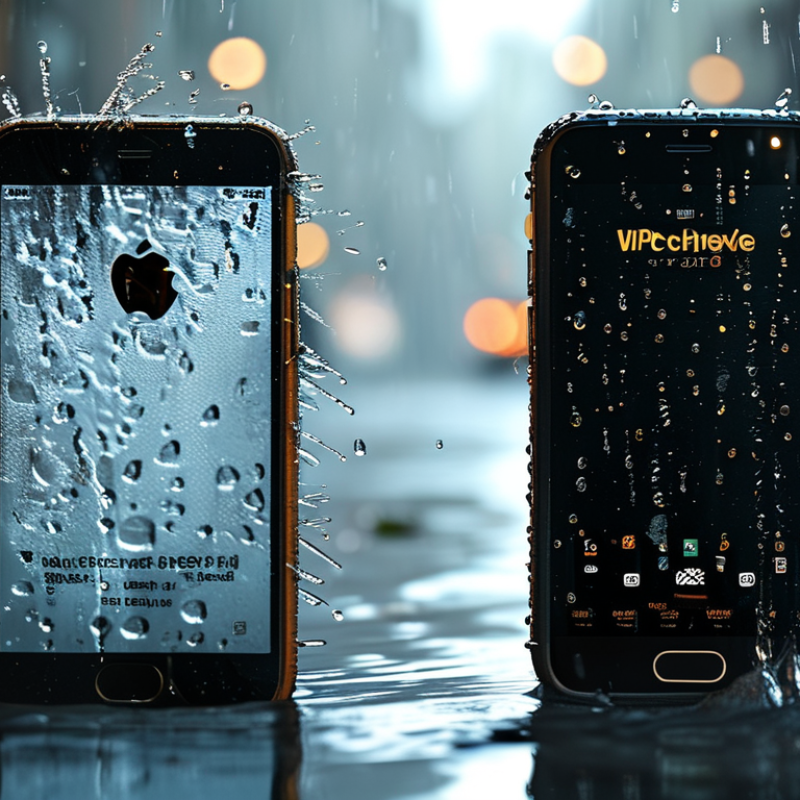
When choosing between IP65 and IP67 waterproof ratings, it’s essential to understand IP ratings. IP stands for Ingress Protection. The first digit indicates protection from solid particles, while the second digit shows resistance to liquids. Both ratings offer varying levels of defense, crucial for different applications.
IP65 offers dust-tight protection. It can handle water projected by a nozzle. However, it isn't designed for submersion. In contrast, IP67 can withstand immersion in water up to 1 meter for 30 minutes. This distinction is crucial for equipment exposed to wet environments.
Choosing the right rating involves assessing your operational needs. For instance, outdoor devices need higher ratings. Some people overlook these details and suffer technical failures. Remember that not all products need the highest IP rating. Balancing cost and functionality often requires careful consideration.
When selecting between IP65 and IP67 ratings, understanding their significance is crucial. Both ratings indicate protection levels against water and dust, but they serve different purposes. An IP65 rating ensures the device is protected from low-pressure water sprays from any direction. This is suitable for devices used in humid environments but not submerged in water.
In contrast, an IP67 rating provides a higher level of waterproofing. It allows for submersion in water up to 1 meter for 30 minutes. Devices with this rating can perform well in situations with sudden exposure to water, like rain or spills. Users often feel more secure with IP67 products, but don’t forget real-world conditions can vary widely.
It's essential to consider the environment where the device will be used. For some applications, IP65 might be adequate. But for others, especially outdoor or industrial settings, IP67 is more appropriate. There’s no one-size-fits-all solution; reevaluating your needs can prevent costly mistakes later. Check how each rating aligns with your specific use case, as it can significantly impact performance and longevity.
When evaluating environmental conditions for optimal selection between IP65 and IP67 ratings, it’s crucial to understand the differences. IP65 offers protection against low-pressure water jets and dust, while IP67 can withstand immersion in water up to one meter for 30 minutes. This distinction significantly affects usability in various settings.
Consider the specific environment where the device will be used. If it’s likely to face splashes or light rain, IP65 might suffice. However, if it could be submerged, IP67 is the safer choice. Always assess potential exposure to dust and water.
Reflecting on real-world applications can help clarify needs. Devices used in marine environments typically need higher ratings. Conversely, indoor equipment might excel with IP65. Each environment presents unique challenges. Understanding these nuances will ensure you choose a rating that truly matches your requirements.
When selecting between IP65 and IP67 waterproof ratings, understanding their performance in practical settings is crucial. IP65 is protected against dust and low-pressure water jets, while IP67 offers more robust protection, including immersion in water up to one meter for 30 minutes. A study from the International Electrotechnical Commission (IEC) shows that products rated IP67 maintain functionality even in more extreme conditions.
Real-world applications significantly impact your choice. Outdoor devices often face diverse weather patterns. For continuous exposure to rain or temporary submersion, IP67 is advisable. Conversely, devices in sheltered environments may only need IP65 protection. According to recent industry reports, 78% of users with IP67 devices reported fewer operational issues during inclement weather.
Tips: Consider your environment. If your device might encounter heavy rains or splashes, choose IP67. Remember, the cost may differ. Investing in a better rating can save costs in repairs or replacements. Also, keep in mind that misunderstandings about ratings can lead to poor choices. Users often underestimate the importance of proper sealing and maintenance. Always analyze both immediate and long-term needs before deciding.
When selecting between IP65 and IP67 waterproof ratings, several key factors emerge. Understanding the implications of each rating is crucial for making an informed choice. IP65 protects against dust and low-pressure water jets. In contrast, IP67 offers complete dust protection and the ability to withstand temporary immersion in water. This significant difference can impact your decision, especially for outdoor equipment.
Consider where the device will be used. If it's only exposed to rain or splashes, IP65 may suffice. However, if it will be submerged or used in harsh environments, IP67 is necessary. Evaluate the conditions. Equipment used near bodies of water needs the highest protection. Think about longevity too. Products with higher ratings often last longer in tough environments. Reflections on past purchases can guide you. If a previous IP65-rated device failed, it's essential to learn from that experience.
Budget constraints are another consideration. IP67 devices can be more expensive. Weighing costs against protection is critical. Do not overlook the climate and dust level of your working environments. Choosing the wrong rating can lead to unexpected failures. Balancing your specific needs with these factors can lead to a more reliable purchase. Remember, asking the right questions is part of the decision-making process.
: IP stands for Ingress Protection. It measures protection against solid particles and liquids.
IP65 protects against low-pressure water sprays. IP67 allows for temporary submersion in water.
No, IP65 devices cannot withstand immersion. They are designed for spray protection only.
Choose IP67 for devices that may be submerged or used in wet conditions for extended periods.
Outdoor or industrial settings often require higher IP ratings. Assess the specific environmental challenges.
Not necessarily. Evaluate your needs. Sometimes, IP65 is sufficient for less demanding environments.
Higher-rated devices are often more expensive. Weighing costs against required protection is crucial.
Reflecting can guide future decisions. Learning from previous failures helps avoid costly mistakes.
Choosing incorrectly can lead to device failures. It's essential to assess needs carefully to prevent issues.
Consider your specific needs and operational environment. Balancing protection levels with budget constraints is crucial.
When evaluating the suitable waterproof rating for your needs, it's essential to understand the definitions and classifications of IP ratings. Specifically, the article discusses the significance of IP65 and IP67 ratings in waterproofing, where IP65 is resistant to water jets and dust, while IP67 can withstand immersion in water up to 1 meter for 30 minutes.
The article highlights the importance of considering environmental conditions to make an informed choice. A comparative analysis between IP65 and IP67 performance in real-world scenarios illustrates their practical applications. Ultimately, the key takeaway is to assess your specific requirements fully; understanding "What is the difference between IP65 and IP67 waterproof ratings?" will guide you in making a decision that ensures your device can perform effectively in the intended environment.

Boray Light