5 Reasons Why Explosion Proof Lights Are Essential for Chemical Plants?

Time:2026-05-28 Author:Aria
0%

In the hazardous environment of chemical plants, safety is a top priority. The use of explosion-proof lights is not only a smart choice but also a necessity. Experts emphasize the importance of proper lighting. Dr. Sarah Collins, a safety engineer with over 15 years of experience, states, "Explosion-proof lights are essential to minimize risks in volatile areas."

Why are explosion-proof lights mandatory for chemical plants? These specialized lights help prevent ignition of flammable substances. They are designed to withstand extreme conditions. Standard lighting can pose serious risks. Using the right equipment is crucial for maintaining safety standards.

The implementation of explosion-proof lighting systems can save lives and reduce property damage. However, many plants still overlook this requirement. A common misconception is that all lights are suitable for any environment. This belief can lead to dangerous situations. Investing in the right technology is key. It’s not just about compliance; it’s about fostering a safe working environment.
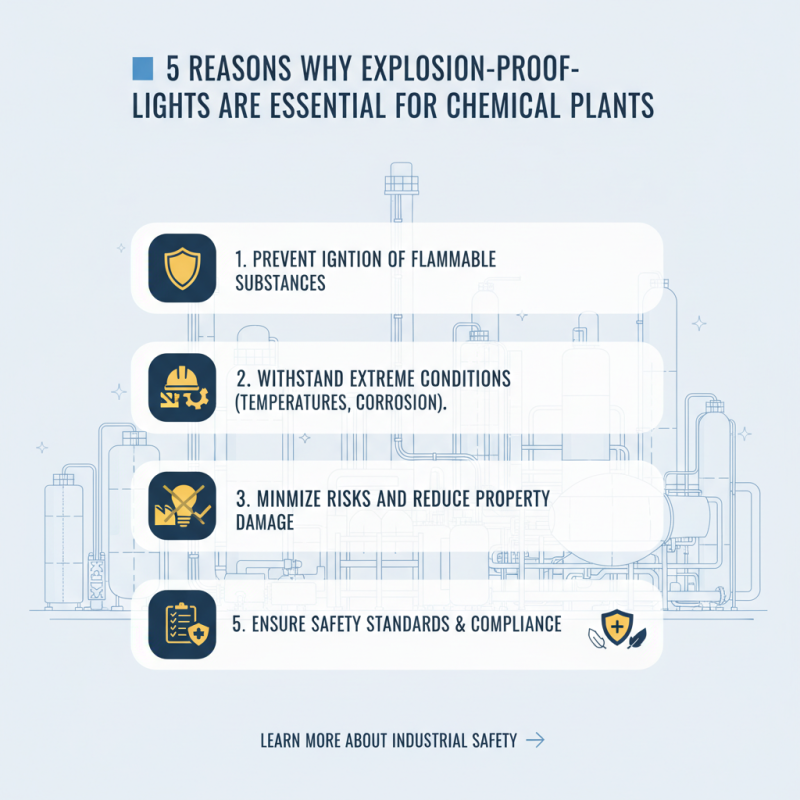
5 Reasons Why Explosion Proof Lights Are Essential for Chemical Plants?

Importance of Hazardous Location Lighting Standards in Chemical Plants

In chemical plants, hazardous location lighting standards are critical. They ensure safety in areas where flammable materials are present. The National Fire Protection Association (NFPA) estimates that over 200 fires occur annually in chemical facilities. Proper lighting can significantly reduce these risks, making compliance with standards vital.

Explosion-proof lights are designed specifically for these environments. They help prevent ignition sources in volatile atmospheres. The Occupational Safety and Health Administration (OSHA) mandates the use of these systems. Following regulations leads to a safer workspace. It promotes operational efficiency and protects valuable assets.

However, challenges remain. Many facilities struggle to implement adequate lighting strategies. Reports show that only 30% of chemical plants fully comply with lighting safety standards. Improvements in risk assessments and regular audits are often overlooked. Addressing these issues can enhance safety measures significantly in hazardous locations.

Understanding the Risks of Flammable Environments in Chemical Facilities

Chemical plants often operate in environments where flammable materials are present. This creates significant risks for workers and equipment. Proper lighting is crucial to ensuring safety and efficiency in these facilities. Explosion-proof lights are designed to function safely in these hazardous conditions. They provide bright illumination while minimizing the risk of ignition.

The risks associated with flammable environments can be severe. Accidents can lead to explosions and harmful releases of chemicals. Inadequate lighting may contribute to these incidents by obscuring hazards or creating confusion. Workers need reliable visibility to perform their tasks safely. Well-designed explosion-proof lights can help improve situational awareness in high-risk areas. They need to be robust and capable of withstanding harsh conditions.

Reflecting on requirements is necessary. Some facilities may assume that standard lighting is sufficient. However, this perception is misleading and can jeopardize safety. Regular evaluations and updates to lighting systems can enhance protection. A thoughtful approach to lighting can prevent tragedies and improve overall safety.

Benefits of Using Explosion Proof Lights for Safety Compliance

Chemical plants often operate in hazardous environments. The use of explosion-proof lights significantly enhances safety compliance. These specialized lights are designed to withstand harsh conditions. They reduce the risk of igniting flammable gases and dust present in such facilities.

One major benefit of explosion-proof lights is their robust construction. They can endure the vibrations and impacts typical in chemical processing. This durability leads to reduced maintenance costs. Furthermore, their reliable illumination improves visibility in critical areas. Well-lit workspaces help prevent accidents and keep workers safe.

Regulatory agencies often mandate the use of explosion-proof lighting in chemical plants. Compliance with these standards can save businesses from hefty fines. Additionally, these safety measures can enhance a plant's reputation. However, some facilities may still overlook the importance of these lights. This oversight can lead to dangerous situations that could have been easily avoided. Encouraging ongoing training and awareness around safety compliance is crucial.

Key Features to Look for in Explosion Proof Lighting Solutions

In chemical plants, choosing the right explosion proof lighting is critical. Effective lighting ensures the safety of workers and equipment. Look for lights that meet specific safety standards. This shows that the lighting is reliable in hazardous environments.

The first key feature is the ingress protection rating. High ratings indicate that the lights resist dust and moisture. This is vital in chemical plants where spills can occur. Another important aspect is temperature tolerance. Lights should function well in extreme heat or cold. This adaptability is crucial for maintaining a safe working environment.

Furthermore, consider the light's energy efficiency. LED options provide bright illumination while consuming less power. This not only reduces costs but also lessens environmental impact. Also, ensure easy installation and maintenance. Complicated setups can lead to downtime. Regular checks on these fixtures are essential for ongoing safety.

5 Reasons Why Explosion Proof Lights Are Essential for Chemical Plants

Feature Importance Benefits
Explosion Proof Design Prevents ignition in hazardous environments Ensures safety for workers and equipment
Durability Resistant to harsh chemicals and extreme conditions Lower replacement costs and maintenance
Energy Efficiency Reduces energy consumption Cost savings on energy bills
Versatility Suitable for various applications in chemical plants Enhances operational flexibility
Compliance with Regulations Meets safety standards for hazardous locations Minimizes legal risks and liabilities

Cost-Benefit Analysis of Investing in Explosion Proof Lighting Systems

Investing in explosion-proof lighting systems is crucial for chemical plants. These specialized lights reduce the risk of ignition in hazardous environments. They ensure safety for workers and protect valuable equipment. Initial costs might seem high, but the long-term savings can be significant.

One of the main benefits of explosion-proof lights is their durability. They withstand harsh conditions, reducing maintenance costs over time. Regular lights may fail and need frequent replacements, raising expenses. Choosing robust lighting solutions leads to fewer interruptions in operations.

Tips for choosing the right lighting: Look for certifications indicating compliance with safety standards. It's vital to assess the specific needs of your facility. Evaluate the environment, as different chemicals may require unique lighting solutions. Ensure that the lights have a good energy efficiency rating. This can lead to lower energy bills, benefiting the company's bottom line.

Incorporating explosion-proof lights can lower insurance premiums. Insurance companies recognize the reduced risk associated with safer environments. However, there might be initial resistance to changing existing systems. It’s essential to communicate the benefits clearly to all stakeholders involved.

FAQS

: What risks do flammable environments pose in chemical facilities?

: Flammable environments can lead to accidents, explosions, and harmful chemical releases.

Why is proper lighting important in these environments?

Good lighting helps workers see hazards clearly, ensuring safer operations.

What are explosion-proof lights designed for?

They are designed to prevent ignition in hazardous conditions while providing bright illumination.

How can inadequate lighting impact safety?

Poor lighting can obscure hazards and create confusion, increasing the risk of accidents.

What features should you look for in explosion-proof lighting?

Look for high ingress protection ratings and good temperature tolerance.

Why is energy efficiency important for lighting in chemical plants?

Energy-efficient lights save money and reduce environmental impact.

How often should lighting systems be evaluated?

Regular evaluations prevent safety issues and improve overall reliability.

Can standard lighting be sufficient in flammable environments?

No, relying on standard lighting can create dangerous situations and is often misleading.

How does easy installation help safety in chemical facilities?

Simple setups reduce downtime, ensuring consistent safety for workers.

What might happen if updates to lighting systems are overlooked?

Neglecting updates may put workers at risk, potentially leading to tragedies.

Conclusion

Explosion-proof lights are a critical safety measure in chemical plants, primarily due to the hazardous nature of the environments in which they operate. The importance of adhering to hazardous location lighting standards cannot be overstated, as these standards help mitigate the risks associated with flammable materials commonly found in these facilities. Understanding the inherent dangers is crucial, as improper lighting can lead to catastrophic incidents.

The benefits of using explosion-proof lighting solutions extend beyond mere compliance; they enhance overall safety and productivity in the workplace. Essential features to consider include rugged construction, energy efficiency, and reliable performance in extreme conditions. Conducting a cost-benefit analysis reveals that investing in high-quality explosion-proof lighting systems not only ensures safety compliance but also proves to be economically advantageous in the long run. Thus, one may ask, "Why are explosion-proof lights mandatory for chemical plants?" The answer lies in their vital role in ensuring worker safety and preventing fire hazards, ultimately safeguarding lives and assets within these high-risk environments.

Aria

Aria

Aria is a dedicated marketing professional with a deep passion for innovative strategies and a keen understanding of our company's product offerings. With a wealth of experience in the industry, Aria excels at crafting engaging content that highlights the unique features and benefits of our......