How to Fix a Solar Light That Stays On All Day?

Time:2026-09-13 Author:Sienna
0%

A solar light that stays on all day is more than a minor annoyance. It may indicate a dirty sensor, a weak battery, incorrect wiring, or a control fault. When the light remains bright at noon, the system is often misreading daylight. This guide explains How to fix a solar light that stays on all day? using practical checks that homeowners can perform safely.

Begin by observing the light in real conditions. Is the solar panel shaded by leaves, a wall, or dust? Does the lamp turn off when you cover the panel completely? Clean the panel with a soft, damp cloth, then inspect the battery compartment for corrosion or loose contacts. Small details matter here. A slightly open cover can admit moisture and interrupt normal charging. Resetting the power switch may also help, although it is not a complete repair. I have seen lights appear defective when the real problem was a replacement battery installed backward. That mistake is easy to make.

If the light still stays on, test it with a known-compatible rechargeable battery. Check the battery type and voltage against the manufacturer’s instructions. Avoid using ordinary alkaline batteries, which can leak or damage the unit. A faulty photocell, timer circuit, or water-damaged controller may require replacement. Do not bypass the sensor. That workaround can create unsafe operation and shorten the lamp’s life. With careful testing, you can separate a simple maintenance issue from a genuine component failure. Sometimes, replacement is the sensible answer.
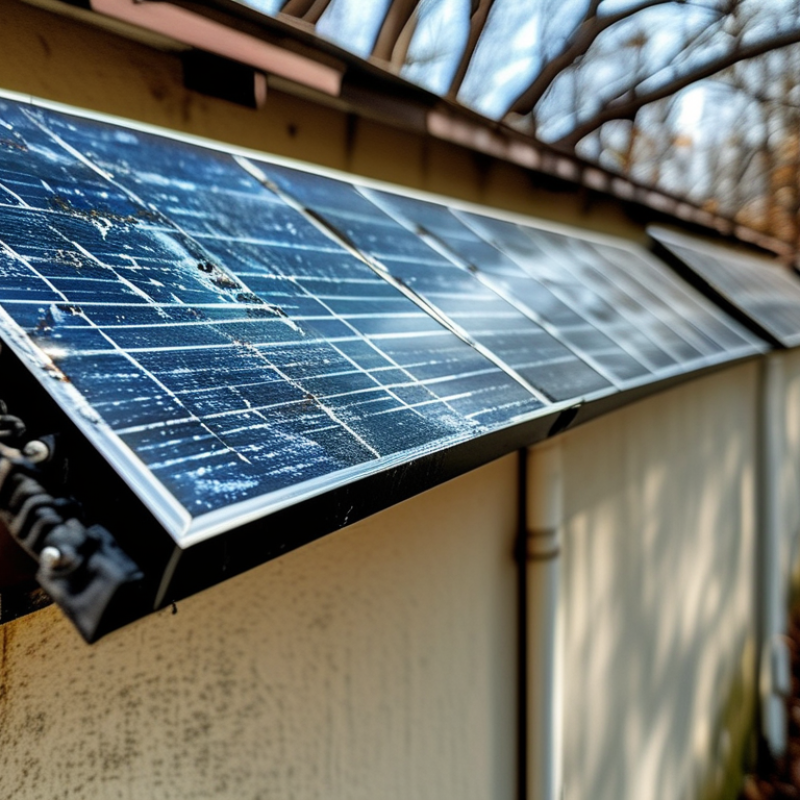
How to Fix a Solar Light That Stays On All Day?

Identify Why the Solar Light Stays On During Daylight

How to Fix a Solar Light That Stays On All Day?

Identify Why the Solar Light Stays On During Daylight

A solar light that stays on all day usually has a sensor, switch, or charging problem. The light sensor may be shaded by leaves, dirt, or a nearby wall. It may also face an unusual angle. Check whether artificial light reaches the sensor. A porch lamp or bright window can confuse its daylight reading. My first assumption was a weak battery, but that was not always correct. A weak battery often causes dim lighting, not continuous daytime operation.

Move the light into direct sunlight and clean the sensor gently with a dry cloth. Then switch it off and on again. Cover the solar panel for about thirty seconds. The light should turn on in darkness. Uncover the panel and wait briefly. It should switch off after a short delay. If it remains lit, inspect the battery contacts for moisture or white corrosion. Also check for a stuck switch or loose internal wire. The diagnosis is not always obvious. Some lights have long delay settings, too.

Tips: Test the light at midday, not near sunset. Keep the panel clear of dust and leaves. If the sensor still ignores strong sunlight, replace the sensor or control unit with a compatible part. Stop using the light if its casing is cracked or water has entered. Safety matters.

Check the Solar Panel, Sensor, and Light Settings

How to Fix a Solar Light That Stays On All Day?

A solar light that stays on all day often receives a false “night” signal. Start by checking the solar panel in bright daylight. Wipe away dust, pollen, bird marks, and leaves with a soft, damp cloth. Even a thin film can reduce charging and confuse the light’s control system. Examine the panel’s position too. A nearby wall, branch, or roof edge may cast shade for several hours. Move the panel into direct sunlight, if possible.

Next, inspect the light sensor. It may be covered by dirt, plastic film, or an insect nest. The sensor also reacts to nearby lamps and bright windows. Test the fixture after sunset, away from strong artificial light. During the day, briefly cover the panel or sensor to see whether the light responds. Do not assume the sensor is defective immediately.

Check the light settings and switches carefully. Some models include a constant-on mode, a timer, or a brightness control. Reset the setting according to the product instructions, then allow one full sunny day for charging. If the light still remains on, inspect the battery compartment for corrosion or a loose connection. Switch the unit off before touching wiring. I once blamed a faulty sensor, but the real problem was a shaded panel. That mistake was easy to make.

How to Fix a Solar Light That Stays On All Day?

Check the solar panel, daylight sensor, battery, and light settings. The chart shows typical electrical readings for a common single-cell solar garden light.

In direct sunlight, the solar panel should produce a higher voltage than it produces in shade. A rechargeable NiMH cell is normally about 1.2–1.45 V when charged. If the sensor remains covered or the switch is set incorrectly, the light may stay on during daylight.

Clean and Test the Solar Light’s Sensor and Panel

How to Fix a Solar Light That Stays On All Day?

A solar light that remains on during daylight often has a dirty or blocked sensor. Dust, bird marks, and dried leaves can confuse its light detector. Turn the light off before cleaning it. Wipe the sensor and solar panel with a soft, damp cloth. Use clean water only. Harsh cleaners may cloud plastic surfaces. Dry every part completely before testing.

Check the panel for cracks, loose wiring, or heavy shade from branches. Even a thin layer of grime can reduce charging and affect the light’s control circuit. Move the fixture into direct sunlight for several hours. The panel should face the strongest available light, not a nearby wall. I once blamed the battery too quickly. The real problem was a sensor covered by dust.

Test the sensor after sunset, or place the light in a dark room. You can briefly cover the sensor with your hand, but do not force any switch or connection. The light should activate after a short delay. Remove the cover and expose it to bright daylight again. It should turn off. Some units need a reset through their power switch, so check the product instructions. If cleaning and repositioning fail, inspect the rechargeable battery for swelling or leakage. Do not open a sealed battery pack. A damaged sensor, panel, or circuit usually requires qualified repair or replacement.

Replace or Repair the Battery and Internal Wiring

A solar light that stays on all day often has a weak battery or damaged internal wiring. Start by switching the light off and removing the battery in a shaded, dry area. Check its label for the correct rechargeable type and voltage. Do not replace it with a regular disposable battery. The wrong battery may leak, overheat, or damage the charging circuit.

Inspect the battery compartment closely. White or green residue often indicates corrosion. Clean minor residue with a dry brush, then check whether the metal contacts still press firmly against the terminals. If the battery looks swollen, rusty, or cracked, replace it immediately. A fresh battery should fit securely and match the original specifications. I once blamed the sensor, but a loose battery contact caused the problem.

Internal wiring can also keep the lamp powered during daylight. Look for pinched insulation, loose connectors, or thin wires pulled from their solder points. Use a multimeter to check continuity, and repair broken connections with suitable connectors or careful soldering. Keep the positive and negative wires correctly aligned. Seal the housing afterward, because moisture can undo a good repair within days. If the circuit board shows burns or severe corrosion, replacing the complete light may be safer than attempting a doubtful repair.

Reset the Light and Confirm Its Day-Night Operation

How to Fix a Solar Light That Stays On All Day?

A solar light that remains on during daylight often needs a simple reset. Turn the power switch off, then cover the solar panel with a cloth. Wait about one minute before switching it on again. This helps the controller recognize a new night cycle. Test the light in a genuinely dark area, not beside a porch lamp or bright window. Some units also have a small reset button near the battery compartment. Press it gently with a dry, non-metal tool. Do not force it. The manual may recommend a different sequence, and ignoring it can create confusion.

Tips: Clean the panel with a soft, slightly damp cloth. Check that the panel faces open sunlight for several hours. Inspect the battery contacts for moisture or white residue. Replace rechargeable batteries only with the correct type and voltage. A loose switch can also cause strange behavior. I once blamed the sensor too quickly, but the real issue was a nearby security light.

If the lamp turns on in darkness after resetting, observe it for one full day. If it lights again under direct sunlight, shade the sensor briefly with your hand. A response may take several seconds. If nothing changes, check the wiring for looseness or corrosion. Avoid opening sealed parts unless the instructions permit it. Persistent faults may indicate a worn battery, damaged sensor, or failed controller. In that case, replacement is usually safer than repeated resets. Keep expectations realistic; not every fault has a quick fix.

FAQS

Why does a solar light stay on during daylight?

A blocked sensor, stuck switch, weak battery, or damaged wiring may cause continuous operation. Bright porch lights can also confuse the sensor.

How can I check whether the light sensor works?

Cover the sensor or panel for about thirty seconds. The light should turn on after a short delay. Uncover it in bright daylight.

What should I clean on the solar light?

Wipe the sensor and panel with a soft, damp cloth. Remove dust, bird marks, and dried leaves. Dry everything completely before testing.

Can nearby shade affect the solar light?

Yes. Branches, walls, and unusual angles can reduce sunlight. Move the light into direct midday sunlight for several hours.

Could the battery be causing the daytime problem?

Possibly, but a weak battery often creates dim light instead. I blamed the battery too quickly once. The real issue was a dusty sensor.

How do I inspect the rechargeable battery safely?

Switch the light off before removing the battery. Check its voltage and rechargeable type. Replace swollen, cracked, rusty, or leaking batteries immediately.

What signs show damaged wiring?

Look for loose connectors, pinched insulation, or thin wires pulled from solder points. Keep positive and negative connections aligned correctly. Do not guess.

When should I replace the complete light?

Consider replacement when the circuit board has burns, severe corrosion, or persistent sensor failure. Cracked housing or water inside also creates safety concerns.

Conclusion

How to fix a solar light that stays on all day? Start by identifying the likely cause, such as a covered or damaged solar panel, a dirty light sensor, incorrect settings, or a weak battery. During daylight, the panel should charge the battery while the sensor detects brightness and keeps the light off. Check that the panel receives direct sunlight and that no nearby object is creating unnecessary shade. Also inspect the switch and any brightness or operating-mode controls.

Clean the panel and sensor gently, then test the light in both bright and dark conditions. If it still remains on, examine the battery and internal wiring for corrosion, loose connections, or signs of wear. Replacing a depleted battery or repairing a secure connection may restore normal operation. Finally, reset the light according to its basic controls, allow it to charge fully, and confirm that it turns off in daylight and activates after dark. These steps can help restore reliable day-night performance without replacing the entire unit.

Sienna

Sienna

Sienna is a skilled marketing professional with a deep expertise in our company’s core products and services. With a passion for innovation and detail, she plays a pivotal role in crafting insightful blog posts that not only highlight the unique features of our offerings but also provide valuable......