Solar lights are a popular choice for outdoor lighting, providing energy efficiency and convenience. However, many users face a common issue: their solar lights stay on all day. This problem can be frustrating and may lead to a waste of energy. So, how to fix a solar light that stays on all day?
Understanding the root causes is key. Often, dirt on the solar panel can block sunlight. Inadequate battery performance can also contribute to this issue. Knowing where to look can save you time and trouble. Your approach should be methodical and patient.
Finding solutions requires a bit of troubleshooting. Start by examining the placement of your solar light. Is it in a shaded spot? If yes, consider relocating it. Also, check for any obstructions around the panel. Regular maintenance can make a significant difference. Remember, not every problem has a quick fix. Every situation requires careful consideration.
Common Causes of Solar Lights Staying On All Day
Solar lights are convenient for outdoor spaces, but they can malfunction. One common issue is that they stay on all day. This can drain the battery and affect nighttime performance. Knowing the causes helps in troubleshooting.
Incorrectly placed solar lights can be a reason. If the solar panel is shaded during the day, it may not receive enough sunlight. This lack of charge could lead the light to malfunction. Ensure they're placed in direct sunlight for several hours a day.
Another cause could be a faulty sensor. Solar lights often rely on light sensors to detect day and night. If the sensor is damaged or dirty, it might confuse light conditions. Regularly clean the sensor part of the light. This simple maintenance tip can improve performance.
Battery issues frequently play a role. Over time, batteries can degrade. If your solar light is old, it may need a battery replacement. Check for any signs of wear or corrosion. Addressing these common causes can enhance the efficiency of solar lights.
Diagnosing the Issue: How to Test Your Solar Light
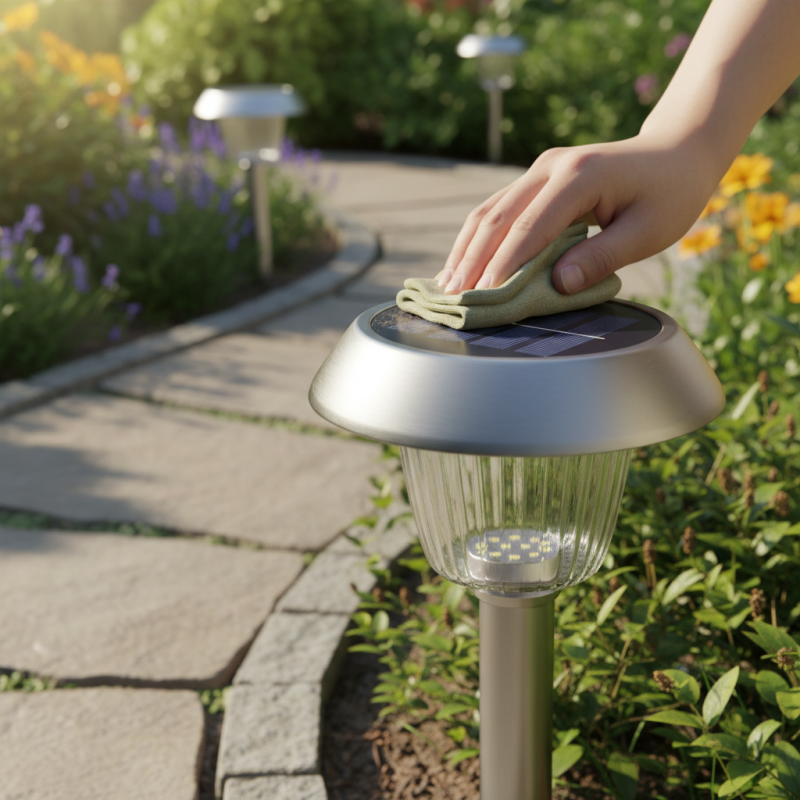
When solar lights stay on all day, it can be confusing. To diagnose the issue, start by checking the solar panel. Ensure it's clean and free from debris. Dust or dirt can block sunlight, preventing proper charging. A clean panel is crucial for the device's performance.
Next, examine the battery. If the solar light has been in use for a while, the battery might be old or damaged. Try replacing it with a new one. This may resolve the issue. Also, check the light sensor. If it's stuck or malfunctioning, it might falsely detect light. A gentle tap on the sensor can sometimes help it reset.
Consider the installation location. If your solar light is in a shaded area, it might not receive enough sunlight. Relocating the light to a sunnier spot can improve its functionality. In some cases, weather conditions can affect performance. Heavy cloud cover or rain can lead to unexpected behavior. Regular maintenance and proper testing can keep your solar lights working as intended.
Adjusting Solar Panel Angles for Optimal Performance
Properly positioning solar panels can drastically improve their effectiveness. Adjusting the angles for optimal sunlight exposure is crucial. Solar panels perform best when they face the sun directly. A tilt of 30 to 45 degrees is often ideal, depending on your latitude. This positioning will maximize solar absorption throughout the day.
Consider seasonal changes as well. Different times of the year shift the sun’s path. In winter, a steeper angle may work better. In summer, tilt panels flatter to capture sunlight. Regular adjustments can prevent panels from working inefficiently.
Keep an eye on shading as well. Trees or buildings may obstruct sunlight. This can lead to a solar light that stays on all day. Regularly check surrounding areas to ensure panels remain unobstructed. Sometimes, small changes make a big difference in performance. This process requires ongoing reflection and adjustment.
Fix Solar Light Stays On All Day Top Tips and Solutions
| Tip |
Description |
Expected Outcome |
Implementation Difficulty |
| Adjust Solar Panel Angle |
Tilt the solar panel towards the sun to maximize exposure. |
Increased charging efficiency. |
Easy |
| Clean Solar Panels |
Remove any dirt or debris blocking sunlight. |
Better light absorption. |
Moderate |
| Check Battery Condition |
Ensure the battery is functioning properly and not malfunctioning. |
Reliable performance during night. |
Moderate |
| Optimize Location |
Place the solar lights in areas with maximum sunlight exposure. |
Longer light duration after sunset. |
Easy |
| Install a Timer |
Set a timer to control when the light turns on and off. |
Prevents light from staying on during the day. |
Moderate |
Tips for Maintaining Solar Lights to Prevent Malfunctions
Maintaining solar lights is crucial for ensuring they function properly. Regularly inspect the solar panels for dirt or debris. Clean them with a soft cloth to maximize sunlight absorption. Without proper sunlight, solar lights can struggle to charge efficiently. Just a light layer of dust can affect performance.
Another important aspect is checking the batteries. Over time, batteries can lose their ability to hold a charge. If your lights are not working at night, it may be time for replacements. Ensure you use the right type of batteries tailored for solar lights.
Finally, position your solar lights wisely. Place them where they receive direct sunlight for the longest duration. Avoid areas with shadows from nearby trees or structures. Over time, these factors could lead to frustration when your lights do not perform as expected. Taking these steps requires attention but will yield a more reliable lighting solution in the long run.
Solar Light Performance Analysis
Exploring Replacement Options for Faulty Solar Components
When dealing with solar lights that stay on all day, it's crucial to explore replacement options for faulty components. First, assess the battery. A degraded battery can lead to improper charging. Check if it holds a charge overnight. If it drains quickly, it might need replacement. Selecting a high-quality battery can significantly enhance performance.
Next, inspect the solar panel. Dirt or debris on the panel can hinder sunlight absorption. A simple cleaning might restore functionality. In some cases, the panel may be damaged and require replacement. Look for cracks or discoloration. Ensuring the panel is functional is vital for your solar light's efficiency.
Lastly, the light sensor could be the culprit. If it's malfunctioning, it may fail to differentiate between day and night. Replacing the sensor can often resolve these issues. Choosing reliable components ensures your solar lights function as intended. Regular maintenance checks are essential to prevent future problems.
FAQS
: Position solar panels to face the sun directly. A tilt of 30 to 45 degrees is generally ideal.
Proper angles maximize sunlight exposure. This increases solar energy absorption and improves overall efficiency.
Yes, seasonal changes affect the sun's path. A steeper angle works in winter, while a flatter tilt is better in summer.
First, check the battery. A degraded battery might need replacement if it drains quickly or fails to hold a charge.
Regularly clean the panels to remove dirt or debris. This ensures optimal sunlight absorption and prevents functionality issues.
Inspect for cracks or discoloration. If damaged, replacing the panel is necessary for maintaining performance.
A faulty light sensor may be the issue. It could fail to detect day and night, requiring a replacement.
Regular maintenance checks are crucial. They help prevent future problems and ensure everything functions as intended.
Yes, small changes can significantly impact solar performance. Ongoing adjustments require reflection and may lead to better efficiency.
Conclusion
If you're wondering how to fix a solar light that stays on all day, it's important to first understand the common causes behind this issue. Often, problems can arise from misaligned solar panels, malfunctioning sensors, or dirt buildup that affects performance. To diagnose the issue, testing your solar light's components can help identify whether the problem lies with the light itself or its power source.
Once you've pinpointed the cause, consider adjusting the angle of the solar panels for optimal exposure to sunlight, which can enhance charging efficiency. Regular maintenance, such as cleaning the panels and checking connections, can also prevent future malfunctions. If the components are found to be faulty, exploring replacement options can restore your solar lights to their intended functionality, ensuring they only operate when needed.

 Boray Light