When considering outdoor lighting, one key aspect remains crucial: What is the best mounting height for LED flood lights? Renowned lighting expert John Smith, who has over 15 years of experience in architectural lighting design, states, "The mounting height of flood lights directly influences their effectiveness." Proper height selection can significantly enhance visibility and safety.
Mounting LED flood lights too low can create harsh shadows and inadequate coverage. Conversely, installing them too high may result in wasted light. Generally, the ideal height ranges from 10 to 20 feet, depending on the intended purpose and area size. Factors such as light beam angle, landscape features, and local regulations also come into play.
Understanding the nuances of height adaptation is essential. It requires a balance of practicality and aesthetics. An improper height choice can lead to insufficient illumination or dazzling glare. Evaluating these options thoroughly can elevate the effectiveness of your lighting design. Thus, asking, "What is the best mounting height for LED flood lights?" is the first step toward achieving optimal light distribution.
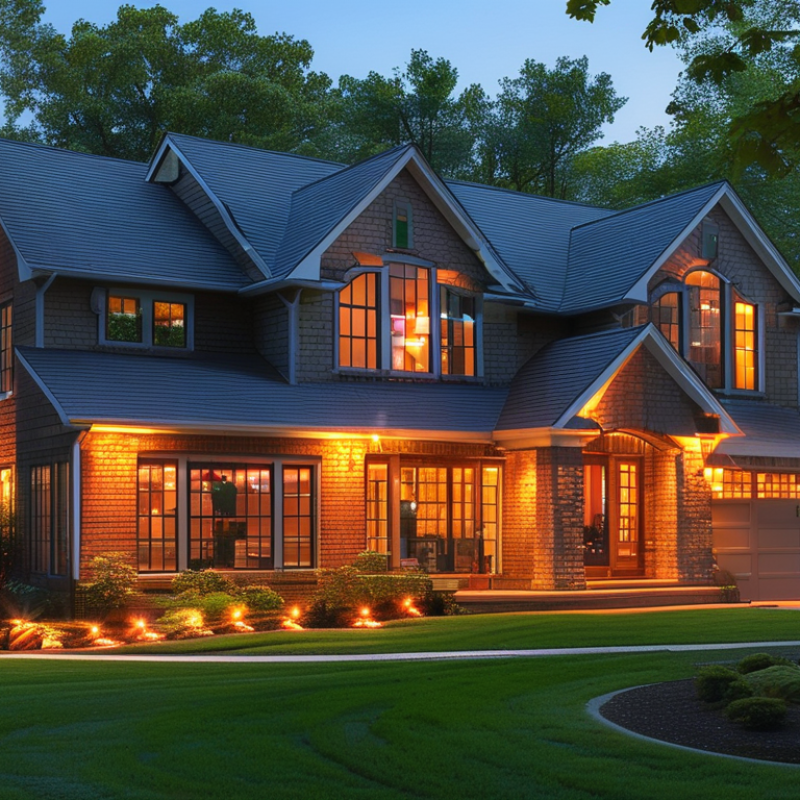
Factors Influencing the Height of LED Flood Lights Installation
When considering the installation of LED flood lights, the height at which they are mounted plays a critical role. The primary purpose of these lights is to illuminate large areas effectively. A height that is too low may result in harsh shadows and uneven lighting. Conversely, mounting them too high could mean wasted light and reduced effectiveness in illuminating the intended area.
Several factors influence the ideal height for mounting. The type of activity or application is significant; sports fields may require higher installations to ensure consistent brightness across the field. Conversely, residential spaces may benefit from lower installations to create a warm and inviting environment. The angle of the light also matters—lights mounted at a steeper angle can reduce glare and improve visibility.
The surrounding environment must be considered as well. If trees or buildings obstruct light, adjustments to the height may be necessary. Conducting tests during installation can provide insight, but it often requires a bit of trial and error. It's not uncommon to find that initial height choices need to be revisited for optimal performance. Regularly evaluating the lighting's effectiveness is key to achieving the desired illumination.
Recommended Heights for Different Applications and Areas
When determining the ideal height for mounting LED flood lights, the application and setting play crucial roles. For residential areas, a height of 10 to 15 feet is often recommended. This elevation provides adequate illumination for pathways and patios without creating harsh shadows. Homeowners must consider the beam angle and spread of light when positioning the fixtures to ensure effective coverage.
In contrast, commercial applications may require a height of 15 to 30 feet. This range is suitable for illuminating large parking lots or sports fields. Mounting lights too high can lead to light loss and visibility issues. It is vital to assess the specific needs of your space. Testing different heights can help find the perfect balance between illumination and efficiency.
For security purposes, flood lights should be mounted at least 8 to 10 feet high. This deters vandalism and improves visibility. However, it is essential to evaluate the surrounding environment. Trees or buildings may obstruct the light, diminishing its effectiveness. Take time to plan placements thoughtfully, considering these dynamic factors for optimal results.
What is the ideal height for mounting LED flood lights? - Recommended Heights for Different Applications and Areas
| Application Area |
Recommended Height (feet) |
Light Coverage Area (sq ft) |
| Parking Lots |
15-25 |
200-250 |
| Sports Fields |
30-50 |
1500-2500 |
| Building Exteriors |
10-20 |
100-150 |
| Backyards |
8-12 |
50-100 |
| Security Lighting |
10-15 |
80-120 |
Optimal Angle Adjustments for Effective Light Distribution
Mounting LED flood lights at the correct angle is crucial for maximizing their effectiveness. Studies show that angled installations between 30 and 50 degrees often yield the best results. This range helps distribute light evenly across a designated area. Many professionals agree that improper angles lead to light spill and dark spots. These issues can compromise safety and visibility.
Adjusting the angle of LED flood lights also influences energy efficiency. A study by the Lighting Research Center found that optimized focal points can reduce energy usage by up to 25%. This reduction is significant for large areas. However, achieving the perfect angle may require testing and readjusting. Each space is unique, and what works in one setting may not be suitable for another.
Considering mounting height is essential too. At heights of 10 to 15 feet, flood lights cover larger areas without losing intensity. Yet, high placements can create shadows unless angled properly. Industry reports highlight a common mistake: installers often forget to carefully evaluate the environment. Surrounding structures and vegetation can interfere with light distribution. Regular assessments help ensure continued effectiveness.
Safety Considerations When Mounting LED Flood Lights
When considering the safety aspects of mounting LED flood lights, height is a critical factor. Proper installation can prevent accidents and ensure effective illumination.
Typically, flood lights should be mounted between 10 to 20 feet above the ground. Mounting them too low can create glare and shadows. This may inhibit visibility and lead to potential dangers, especially in outdoor areas.
It is essential to assess the surrounding environment before choosing a height. If the area is prone to vandalism or theft, higher installations may deter unwanted activity. However, this height may limit the effectiveness of the light. You want to find a balance between protection and functionality. Regularly inspecting the mounted lights can also help in identifying wear and tear. Ensuring that the fixtures are secure prevents them from becoming safety hazards, particularly during adverse weather conditions.
Consideration of factors like power supply and wire management is also vital. Haphazardly placed wires can create trip risks. Always use appropriate anchors and hardware for outdoor installations. Installing flood lights securely minimizes the risk of falling fixtures. These practical safety measures contribute to a well-lit and safe environment.
Maintenance Tips for Height-Mounted LED Flood Lights
Mounting LED flood lights at the right height can drastically affect their performance and longevity. When installed too high, the lights may not illuminate areas effectively. Ideally, these fixtures should be installed between 10 to 20 feet above ground. This height maximizes coverage while minimizing dark spots. Studies indicate that a mounting height of 15 feet can provide an optimal light distribution, covering an area of about 100 feet in radius, which is crucial for security purposes.
Maintenance is key for longevity. Regular cleaning is essential to avoid dirt buildup, which can reduce light output by up to 30%. It’s advisable to schedule maintenance checks at least twice a year. During these checks, inspect for any wiring issues. Corrosion can lead to electrical failures, so ensuring weatherproof coatings remain intact is vital. Documenting the condition of each light can help identify patterns that indicate deeper issues, possibly extending the fixture's lifespan.
Adjustments may be necessary over time. Sometimes, the initial height may not prove ideal as surrounding structures grow or change. Reviewing performance and adjusting accordingly based on observed light patterns can enhance effectiveness. Keeping records of light performance can guide future installations and height adjustments, promoting better overall lighting strategies.
Conclusion
When considering "What is the best mounting height for LED flood lights?", several factors come into play, including the type of area being illuminated and the intended application of the lights. Different settings, such as residential, commercial, or sports facilities, may require varying heights to ensure optimal light coverage. Recommended heights often range from 10 to 30 feet depending on these factors, and it is important to adjust the angle of the lights for effective light distribution.
In addition to optimal mounting heights, safety considerations are crucial when installing LED flood lights, including ensuring secure fixtures and avoiding electrical hazards. Regular maintenance is also essential for height-mounted flood lights to maximize their efficiency and lifespan. By addressing these aspects, users can effectively enhance safety and visibility in their respective environments.

 Boray Light