How to Prevent Salt Spray Corrosion on Coastal Lighting?

Time:2026-10-13 Author:Sophia
0%

Coastal lighting faces a harsh combination of salt, moisture, wind, heat, and daily temperature changes. Salt spray settles on housings, brackets, cable glands, and fasteners. When moisture remains trapped, chloride ions attack protective coatings and exposed metal. Small white deposits can become pitting, discoloration, loose connections, and unsafe electrical failures.

How to prevent salt spray corrosion on coastal lighting? The answer begins with the site, not the product brochure. Dr. Alec Groysman, a corrosion scientist and author, states, “Corrosion control starts with understanding the environment.” That principle matters beside beaches, ports, seawalls, and open promenades. A reliable plan should assess spray direction, tidal exposure, drainage, cleaning access, and the lighting’s operating temperature.

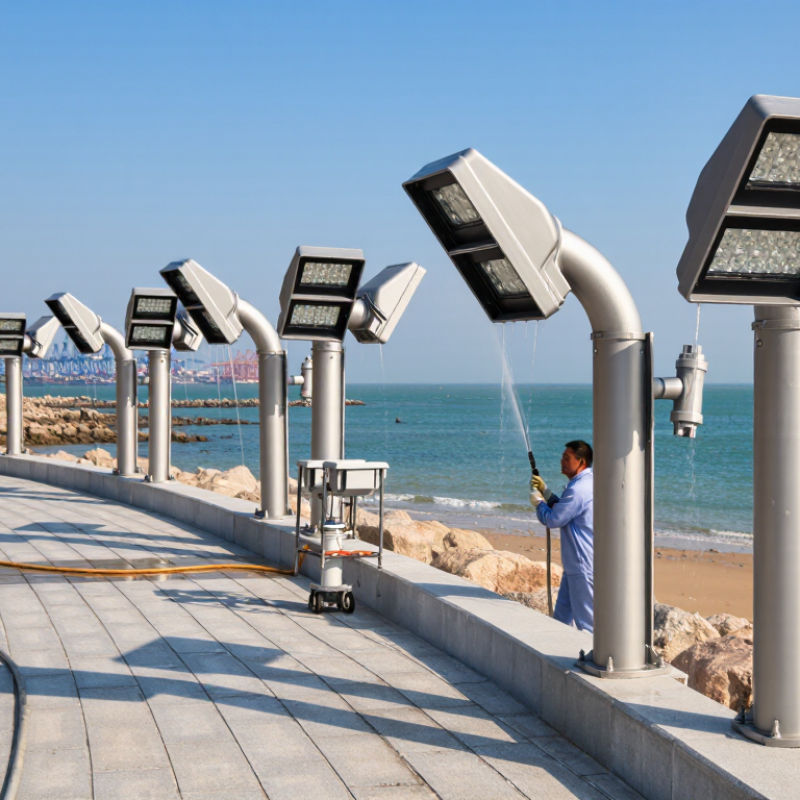
Use marine-grade stainless steel where practical, sealed LED fixtures, UV-resistant powder coatings, and properly rated cable glands. Avoid mixed metals without electrical isolation. Keep drain paths open. Do not let mounting plates sit in pooled water. Rinse exposed surfaces with fresh water at planned intervals, then inspect joints, seals, and fasteners closely.

Details matter.

A coating may look perfect while corrosion grows beneath it. A stainless bolt may still fail near a contaminated aluminum bracket. Therefore, this guide will compare materials, enclosure ratings, installation practices, cleaning routines, and inspection triggers. It will also question common assumptions. No finish lasts forever, and coastal conditions rarely remain consistent. Effective prevention requires documented inspections, practical maintenance intervals, and adjustments based on what the site actually reveals.
How to Prevent Salt Spray Corrosion on Coastal Lighting?

Understanding How Salt Spray Damages Coastal Lighting

Salt spray damages coastal lighting through repeated wetting, drying, and chloride exposure. Tiny salt crystals settle on housings, lenses, brackets, and cable glands. When humidity rises, they dissolve into an aggressive electrolyte. Corrosion then attacks coatings, aluminum surfaces, fasteners, and electrical contacts. Crevices are especially vulnerable. Water may remain trapped behind a gasket or under a mounting plate.

ISO 9223 classifies atmospheric corrosivity using chloride deposition, humidity, and time of wetness. Coastal locations can reach very high corrosivity levels, especially near surf zones. The NACE IMPACT study estimated global corrosion costs at about 2.5 trillion US dollars annually, equal to 3.4% of global GDP. The number is global, not lighting-specific, but it shows the scale of neglected corrosion. Preventive design should include sealed cable entries, proper drainage, compatible metals, and durable marine coatings. Avoid hidden water pockets. Use stainless or protected fasteners where practical, and inspect damaged edges before corrosion spreads beneath the coating.

Regular freshwater rinsing removes deposits from exposed fixtures. Inspection should check discoloration, blistered paint, loose screws, brittle gaskets, and flickering connections. ASTM B117 salt-spray testing helps compare materials, but it does not accurately predict outdoor service life. No chamber fully reproduces a shoreline. A fixture can look clean while corrosion advances inside a cable gland. That assumption deserves testing. Records of humidity, washing frequency, and repair locations can reveal weak design choices over time.

Selecting Corrosion-Resistant Materials and Protective Coatings

Salt spray reaches coastal lighting through wind, rain, and fine airborne droplets. Material selection should begin before the fixture design is finalized. Marine-grade stainless steel, aluminum with suitable treatment, and UV-stable polymers can reduce corrosion risks. However, no material is immune to neglect.

During site inspections, pay attention to fasteners, cable glands, hinges, and drainage points. These areas trap salty moisture and often fail before the main housing. Use compatible stainless-steel hardware, sealed electrical connections, and designs that prevent standing water. Small gaps matter.

Protective coatings add another barrier. A properly prepared surface is essential, because paint cannot reliably bond to oil, dust, or oxidation. Degreasing, abrasion, and controlled application should follow the coating manufacturer’s technical requirements. Multi-layer systems usually perform better than one thick layer. A primer can improve adhesion, while a durable topcoat resists sunlight and salt exposure.

Inspect coating edges and drilled openings carefully. Damage often starts there. Touch-up work should match the original preparation standard, not merely cover the visible mark. That shortcut can fail.

Coating thickness also needs verification. Too little protection wears quickly; too much may crack or cure unevenly. Environmental conditions during application matter. High humidity, condensation, or contaminated air can undermine a good specification. I have seen maintenance plans underestimate these details. Monthly visual checks during storm seasons may reveal blistering, rust stains, or loose seals before water reaches the electrical chamber.

Sealing Fixtures Against Moisture and Saltwater Exposure

Coastal lighting fixtures face more than rain. Salt particles settle on lenses, seams, fasteners, and cable entries, then attract moisture from humid air. A reliable enclosure begins with a continuous gasket, not sealant applied around visible edges. The gasket should sit evenly in a clean channel without twists, gaps, or compression damage. Check the fixture’s ingress protection rating, but do not treat that number as permanent. Aging, vibration, and repeated opening can reduce real-world protection.

Cable entries deserve close attention. Use correctly sized glands, tighten them firmly, and leave no exposed conductor near the entry point. Stainless hardware helps, while dissimilar metals can create galvanic corrosion in wet salt conditions. A thin layer of compatible corrosion-resistant compound on threads may improve serviceability. Avoid blocking drainage paths. Trapped water can be as harmful as seawater.

Inspect fixtures after severe storms and during scheduled maintenance. Look for white salt deposits, flattened gaskets, cloudy lenses, loose covers, and green or brown corrosion around terminals. Rinse exterior surfaces with fresh water, then dry them before opening the enclosure. Do not use high-pressure spray near seals. It can force moisture inward.

In practice, many failures begin with a small shortcut. An oversized cable gland. A reused gasket. A cover tightened unevenly. These details seem minor, but coastal exposure is unforgiving. I would also question the assumption that more sealant means better protection. Sealant can hide a damaged gasket and make future inspection harder. Reliable sealing depends on fit, controlled compression, suitable materials, and regular checking.

How to Prevent Salt Spray Corrosion on Coastal Lighting? — Sealing Fixtures Against Moisture and Saltwater Exposure
Protection Area Recommended Specification Reason for Use Inspection or Verification Method Typical Maintenance Frequency
Ingress Protection Use a minimum IP66 enclosure for exposed outdoor fixtures; consider IP67 where temporary immersion or severe splash exposure is possible. IP66 provides protection against dust ingress and powerful water jets. IP67 adds protection against temporary immersion under the conditions defined by IEC 60529. Confirm the complete assembled fixture has a documented IP rating. Check that covers, cable entries, plugs, and mounting interfaces maintain the same protection level. Verify during installation and after any housing, lens, or cable-gland replacement.
Enclosure Material Select marine-suitable aluminum, corrosion-resistant stainless steel, UV-stabilized polymer, or a properly protected combination of materials. Salt deposits and persistent humidity accelerate galvanic and surface corrosion, especially on unprotected carbon steel and incompatible metal pairs. Inspect for pitting, white corrosion products, blistering coatings, rust staining, and dissimilar-metal contact. Inspect at least every 6 months in exposed coastal locations.
Protective Coating Use a coating system rated for high atmospheric corrosivity, such as a system designed for ISO 12944 C5 environments where the site assessment requires it. High-salinity marine atmospheres can rapidly degrade untreated metal. A suitable coating system improves barrier protection and reduces under-film corrosion. Check coating continuity, adhesion, edge coverage, scratches, fastener areas, and cut-outs. Repair damaged areas according to the coating system instructions. Visual inspection every 6 months; perform a detailed coating assessment annually.
Gaskets and Seals Use closed-cell silicone, EPDM, or another gasket material compatible with the fixture temperature, UV exposure, and cleaning chemicals. A continuous, correctly compressed gasket prevents humid air and saltwater from reaching drivers, terminals, and internal metal surfaces. Check for flattening, cracking, hardening, displacement, gaps, and compression marks. Replace damaged or permanently deformed gaskets. Inspect annually and whenever the fixture is opened.
Cable Entries Use appropriately rated cable glands with strain relief and seals sized for the actual cable diameter. Orient entries downward or use drip loops where practical. Many water failures occur through cable entries rather than through the main housing. A downward water path reduces direct water migration. Confirm gland tightness, seal compression, cable jacket condition, and the absence of water tracks inside the enclosure. Check during commissioning and every 6 months in high-spray areas.
Fasteners Use corrosion-resistant fasteners compatible with the enclosure material, and avoid exposed untreated steel hardware. Fasteners are common initiation points for rust, crevice corrosion, and galvanic corrosion around joints and mounting points. Inspect threads, heads, washers, brackets, and contact points for rust, seizure, loosening, or discoloration. Inspect every 6 months and tighten only to the specified torque.
Condensation Control Use a pressure-equalizing breathable vent rated for the enclosure, or provide an approved condensation-control design without compromising the IP rating. Temperature cycling can create internal condensation even when the enclosure is sealed. A suitable vent helps equalize pressure while limiting liquid-water entry. Check that the vent is unobstructed, correctly installed, and free from salt deposits, paint, dirt, or mechanical damage. Inspect annually and after severe weather events.
Drainage and Mounting Install fixtures so water cannot pool on top surfaces, around seals, or inside mounting channels. Keep drain paths clear where the design includes them. Standing saltwater increases contact time and promotes crevice corrosion at joints, brackets, and cable-entry areas. Confirm the fixture is level or correctly angled for drainage. Remove debris and verify that designed drainage openings remain open. Inspect during routine cleaning and after storms.
Surface Cleaning Rinse salt deposits with clean, low-pressure fresh water and use a soft, non-abrasive cloth. Avoid aggressive solvents and abrasive tools. Removing salt reduces hygroscopic moisture retention and limits the formation of conductive electrolyte films on metal surfaces. Look for visible salt film, haze on lenses, blocked vents, and residue around fasteners and cable glands. Every 1–3 months in heavy salt-spray zones; adjust according to site exposure.
Electrical Protection Use sealed connectors, corrosion-resistant terminals, appropriate overcurrent protection, and a correctly bonded protective-earth path where required. Moisture and salt contamination can increase leakage current, cause contact resistance, and accelerate terminal corrosion. Inspect terminals for discoloration or deposits and test insulation, continuity, and protective-earth connections according to the applicable electrical code. Test during commissioning and at scheduled electrical maintenance intervals.
Site Exposure Classification Increase sealing, coating, material, and cleaning requirements for fixtures near surf zones, tidal areas, marinas, or locations exposed to prevailing onshore winds. Corrosion severity depends on salt concentration, wetting duration, wind direction, distance from the sea, temperature, and maintenance conditions. Document distance to the shoreline, splash exposure, prevailing winds, sheltered or unsheltered position, and observed corrosion rate. Review the site assessment annually or after changes to the surrounding environment.

Installing and Positioning Lights for Better Coastal Protection

How to Prevent Salt Spray Corrosion on Coastal Lighting

Installing and Positioning Lights for Better Coastal Protection

Coastal lighting fails when salt settles on seams, lenses, and cable entries. NACE’s IMPACT study estimated global corrosion costs at US$2.5 trillion annually, equal to 3.4% of global GDP. Positioning matters as much as material selection. Mount fixtures beneath roof edges, balconies, or parapets where possible. Avoid direct exposure to prevailing sea winds. Keep lights away from open seawalls and spray zones. A few metres can make a practical difference, but site conditions vary.

Use downward-facing designs with smooth surfaces and accessible drainage. Do not create pockets where salty water can remain after rain. Seal cable glands carefully, and angle conduit runs downward before entry. Select corrosion-resistant hardware suitable for the local exposure category under ISO 9223 and ISO 12944. ASTM B117 test hours can compare coatings, but they do not reliably predict outdoor service life. That limitation deserves attention.

Tips: Inspect fixtures after storms and rinse them with clean water every few weeks during severe exposure. Check dissimilar-metal joints for white deposits or rust staining. Replace damaged seals early. Keep a simple inspection log with dates, photographs, and wind conditions. I have seen well-coated fixtures deteriorate because mounting brackets faced the prevailing wind. Design assumptions can be wrong. Test one installation before repeating it across the site.

How to read this chart: The recommended enclosure ratings increase as lighting fixtures move from sheltered locations to areas exposed to salt spray, waves, and temporary flooding. IP65 provides protection against water jets, IP66 withstands more powerful water jets, and IP67 protects against temporary immersion under IEC 60529 classification.

Inspecting, Cleaning, and Maintaining Coastal Lighting Regularly

How to Prevent Salt Spray Corrosion on Coastal Lighting?

Inspecting, Cleaning, and Maintaining Coastal Lighting Regularly

Coastal lighting needs a practical inspection routine, not occasional attention after failure. Salt travels far. Check fixtures, brackets, fasteners, cable entries, and mounting surfaces every month. Look for white salt deposits, bubbling paint, rust streaks, cracked seals, and loose connections. Pay special attention to areas facing prevailing sea winds. Moisture can enter through a small damaged gasket and remain hidden inside the housing.

Switch off power before inspection, and use a qualified technician for electrical testing. Remove salt with clean water and a soft, non-abrasive cloth. Avoid harsh chemicals, high-pressure sprays, and metal brushes. Dry the fixture carefully, especially around joints and drainage openings. Inspectors should also check whether water can drain freely. Blocked drainage often causes corrosion faster than visible salt buildup. I once underestimated a minor rust mark; it later revealed a weakened mounting point. Small signs deserve serious attention.

Tips: Keep a dated inspection log with photographs. Replace damaged seals promptly. Tighten loose hardware without over-compressing gaskets. Apply a suitable protective coating only to clean, dry surfaces. Do not guess. If corrosion affects wiring, structural parts, or internal components, stop using the fixture and arrange professional evaluation. A maintenance schedule may need adjustment after storms, construction, or unusually heavy sea spray. No schedule is perfect. Regular records make weak points easier to recognize.

FAQS

How does salt spray damage coastal lighting?

Salt crystals settle on housings, lenses, brackets, and cable glands. Humidity dissolves them into a corrosive liquid. Corrosion then attacks coatings, fasteners, aluminum, and electrical contacts. Crevices are especially risky.

Which fixture areas usually fail first?

Check cable glands, fasteners, hinges, drainage points, and mounting plates. These areas trap salty moisture. Small gaps matter. The main housing may look fine while hidden corrosion spreads inside.

What materials can reduce coastal corrosion?

Marine-grade stainless steel, treated aluminum, and UV-stable polymers can reduce risk. Use compatible metals whenever possible. Dissimilar metals may create galvanic corrosion in wet salt conditions. No material survives poor maintenance forever.

How should protective coatings be applied?

Clean and prepare the surface before coating. Remove oil, dust, and oxidation through suitable preparation. A primer and durable topcoat usually outperform one thick layer. Check edges and drilled openings carefully. That shortcut can fail.

How can fixtures be sealed against moisture?

Use a continuous gasket seated evenly in a clean channel. Avoid twists, gaps, and damaged compression surfaces. Select correctly sized cable glands and tighten them firmly. More sealant is not always better.

What should inspections look for?

Look for white salt deposits, blistered paint, rust stains, cloudy lenses, loose screws, and brittle gaskets. Check green or brown corrosion near terminals. A clean lens proves little. Corrosion may continue inside the enclosure.

How should coastal fixtures be cleaned?

Rinse exposed surfaces with fresh water to remove salt deposits. Dry the fixture before opening it. Avoid high-pressure spray near seals. Strong water pressure can force moisture inward.

How often should coastal lighting receive attention?

Inspect during scheduled maintenance and after severe storms. Monthly visual checks may help during storm seasons. Record washing dates, humidity, and repair locations. These records can reveal weak design choices, though they are not perfect.

Does laboratory salt-spray testing predict outdoor service life?

It helps compare materials under controlled conditions. However, it cannot fully reproduce wind, sunlight, humidity, drainage, and shoreline exposure. A fixture may pass testing yet fail early outdoors. That assumption deserves testing.

Conclusion

Coastal lighting faces constant exposure to salt-laden air, humidity, wind, and seawater, which can accelerate corrosion on metal housings, electrical connections, fasteners, and internal components. This summary explains How to prevent salt spray corrosion on coastal lighting? by choosing corrosion-resistant materials, durable protective coatings, and properly sealed fixtures that limit moisture and saltwater entry. It also emphasizes the importance of thoughtful installation, including positioning lights away from direct spray, improving drainage, and avoiding locations where water can collect.

Long-term performance depends on regular inspection and maintenance. Cleaning salt deposits from lenses, housings, and mounting hardware helps prevent buildup, while checking seals, coatings, wiring, and connection points can reveal early signs of damage. Replacing worn protective parts promptly and maintaining a consistent cleaning schedule can extend service life, improve lighting reliability, and reduce repair needs in demanding coastal environments.

Sophia

Sophia

Sophia is a dedicated marketing professional with an exceptional depth of knowledge about her company's products and services. With a keen understanding of market trends and customer needs, she crafts insightful blog posts that not only inform but also engage readers, enriching the company’s online......