When addressing the question, "How to choose the right wattage for solar street lights?", several factors come into play. Selecting the appropriate wattage is crucial for ensuring optimal performance and efficiency. The brightness needed varies based on location and intended use. A busy street requires brighter lights than a quiet residential area.
Understanding the specific needs of your environment can guide your decision. Consider the average height of the fixtures and the spread of light. Too high wattage can lead to unnecessary energy consumption. Conversely, too low wattage may not adequately illuminate the area, posing safety risks.
Researching expert recommendations can also provide clarity. Consult manufacturers and examine case studies to find appropriate wattage ranges for different settings. Determining the right wattage is not always straightforward. It's a balancing act between illumination and energy efficiency. Make informed choices to enhance safety and sustainability in your community.
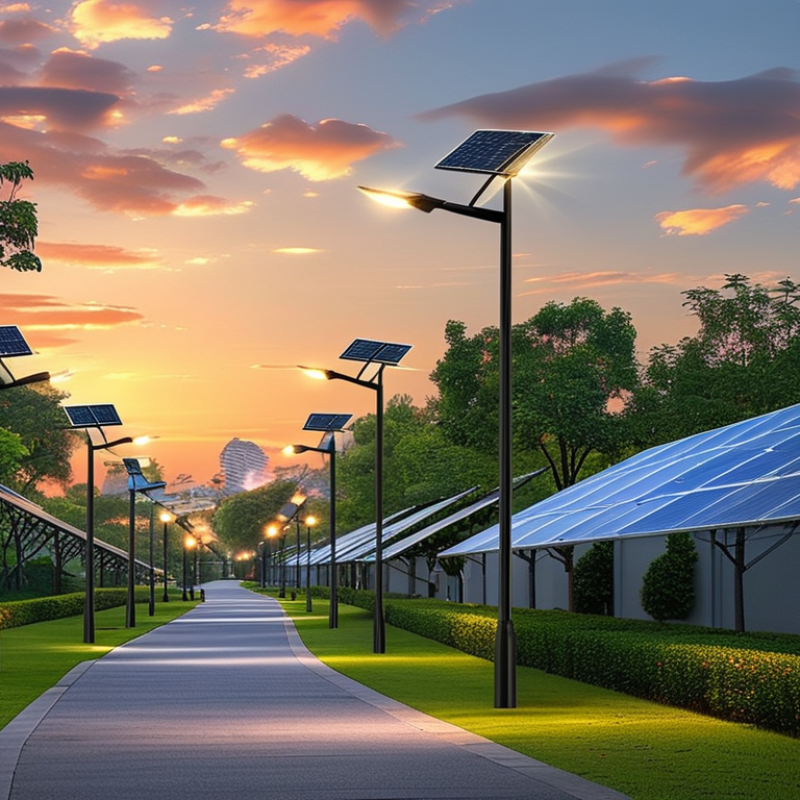
When selecting wattage for solar street lights, it’s crucial to consider several factors. The brightness required varies by location. A well-lit area, like parks, demands higher wattage than residential streets. Typically, 30 to 100 watts is a common range, depending on the environment. For example, urban areas often require more lumens because of surrounding streetlights and signs.
Another aspect is the solar panel efficiency. Higher wattage lights need stronger solar panels. If the panel can’t recharge the battery fully, the light will be dim or inconsistent. Battery capacity also plays a role. A large battery can support higher wattage lights, even in cloudy conditions. Be mindful about the potential need for more frequent maintenance with increased wattage.
Consider the installation height and spacing of the lights. Taller installations may require less wattage due to the broader distribution of light. However, too much spacing can create dark spots. Finding a balance in brightness is essential. Every choice may lead to areas of over-illumination or under-illumination, prompting further evaluation and adjustment.
| Factor | Description | Recommended Wattage |
|---|---|---|
| Area Size | Larger areas generally require higher wattage for adequate illumination. | 50 - 150W |
| Pole Height | Higher poles may require higher wattage to maintain proper light distribution. | 30 - 80W |
| Application Type | Security lighting may need more wattage compared to decorative lighting. | 60 - 200W |
| Solar Panel Size | Larger solar panels can support higher wattage lights. | 100 - 300W |
| Battery Capacity | Higher wattage lights require batteries that can support longer usage times. | 80 - 200Ah |
When selecting solar street lights, understanding the relationship between wattage and brightness is crucial. Wattage measures energy consumption, while brightness is measured in lumens. Higher wattage generally means more lumens, resulting in brighter lights. However, this is not a strict rule. Inefficiencies in lighting technology can lead to varied brightness outputs at the same wattage.
In real-world applications, the environment plays a significant role in perceived brightness. Street lights near traffic might require higher wattage for visibility, while lights in low-traffic areas can operate effectively at lower levels. This can lead to over-engineering where excessive wattage is used unnecessarily. It's essential to assess the area’s specific needs and avoid assuming that higher wattage always guarantees better performance.
Choosing the right wattage also involves considering the type of solar panel and battery technology used. Some systems leverage advanced LEDs for brightness without excessive wattage. Understanding these nuances can prevent poor decisions, ultimately affecting the effectiveness and efficiency of solar street lighting solutions. It's a balancing act between cost, energy efficiency, and required illumination.
When selecting the best wattage for solar street lights, assessing the area size and lighting requirements is crucial. Each area has unique characteristics. A small park may need one level of brightness, while a busy street could require much more. Understanding the layout is essential. Consider the spacing between lights and the potential obstacles that might block light.
Different areas have different needs. Residential neighborhoods might benefit from softer lighting to enhance safety without disturbing residents. Commercial districts, on the other hand, often require brighter lights. Look at the activities in the area. A playground, for example, might need focused lighting to ensure visibility.
It’s essential to evaluate how much light is truly needed. Over-lighting can waste energy and money. Under-lighting may make an area feel unsafe. Take time to reflect on past lighting choices. Did the lights provide adequate visibility? Were there dark spots that created safety concerns? Gathering community feedback can also guide your decision-making. The goal is to strike a balance between effectiveness and efficiency.
This chart illustrates the recommended wattage for solar street lights based on different area sizes and lighting requirements. The data is categorized into small, medium, and large areas, displaying optimal wattage to ensure adequate illumination.
When choosing the right solar technology for street lights, several factors come into play. The type of solar panels significantly influences performance. Monocrystalline panels offer high efficiency, while polycrystalline panels are more affordable yet less effective. It's essential to evaluate the efficiency rating, which can impact how much energy is produced during the day.
Battery storage is another crucial element. Lithium-ion batteries are favored for their long life and efficiency. However, they can be more expensive. Lead-acid batteries, while cheaper, may require more frequent replacements and maintenance. Assessing the life cycle and charging time of these batteries can lead to better installations.
Lastly, the installation angle and location matter greatly. Solar street lights need to be positioned to maximize sunlight exposure. Shadows from nearby trees or buildings can drastically reduce energy collection. Therefore, a thorough site assessment is vital. It's often overlooked, yet it plays a significant role in the overall effectiveness of solar street lighting systems. Understanding these aspects can aid in creating reliable and efficient solar lighting solutions.
When selecting the wattage for solar street lights, cost considerations play a pivotal role. The initial investment can vary significantly based on wattage. Higher wattage lights may cost more upfront, but they often deliver better illumination. On the other hand, lower wattage options can reduce immediate costs. However, they might compromise visibility, leading to potential safety concerns. Evaluating the area to be lit is essential. Some locations may require more light due to high foot traffic while others need less.
Long-term savings related to wattage selection are also important. Well-optimized wattage can reduce energy consumption. This means lower electricity bills, contributing to overall savings. Additionally, choosing the right wattage can prolong the lifespan of the lighting system. Using excessively high wattage may lead to increased wear and tear. Conversely, too low wattage may necessitate frequent replacements. A balance is crucial, ensuring adequate lighting while minimizing costs. Reflecting on these factors can help in making a responsible decision for both finances and safety.
: Wattage measures energy use, while brightness is in lumens. Higher wattage often means more lumens, but not always.
Not necessarily. Lighting technology inefficiencies can lead to varied brightness at the same wattage.
Environment matters. High-traffic areas may need more wattage for visibility; low-traffic areas may not.
Consider the area's size, layout, and unique lighting needs to avoid over-engineering.
Community input can reveal past lighting issues, helping to improve future choices.
Battery type affects longevity and efficiency. Lithium-ion batteries last longer but are pricier.
Monocrystalline panels are efficient but costly; polycrystalline are cheaper but less effective.
Proper positioning is essential. Shadows can greatly reduce sunlight exposure and energy collection.
Under-lighting can create safety concerns, while over-lighting wastes energy and money.
Yes, it prevents excessive costs and ensures adequate visibility tailored to area activities.
When considering "How to choose the right wattage for solar street lights?", several key factors come into play. It's essential to understand the relationship between wattage and brightness, as higher wattage typically correlates with increased brightness, but may not always be necessary depending on other variables. Assessing the area size and the specific lighting requirements is crucial, as these will dictate the appropriate wattage needed for effective illumination.
Furthermore, evaluating different solar technologies can enhance performance, allowing for optimal light output without excessive energy consumption. Cost considerations also play a significant role, as selecting the right wattage can lead to significant long-term savings on energy costs and maintenance. Ultimately, a careful assessment of these elements will help in making an informed decision regarding the wattage for solar street lights, ensuring both functionality and efficiency.

Boray Light