5 Tips Why Chemical Plants Need Explosion Proof Lights?

Time:2026-09-28 Author:Henry
0%

Chemical plants handle flammable vapors, combustible dust, and reactive chemicals. A leaking pump or solvent drum can change the risk around a light fixture. Electrical arcs, hot surfaces, and damaged wiring may become ignition sources when equipment is unsuitable for the area. Why are explosion-proof lights mandatory for chemical plants? In classified hazardous locations, properly rated lighting helps prevent equipment from igniting surrounding flammable materials. Exact requirements depend on the site’s hazard classification and applicable codes. This guide introduces five practical reasons to choose certified fixtures, from ignition control to dependable visibility during inspections. Small details matter.

Process-safety pioneer Trevor Kletz is often quoted: “If you think safety is expensive, try an accident.” His reminder applies to lighting decisions, though it is not a technical specification. The five tips will explore enclosure integrity, temperature ratings, suitable certifications, reliable illumination, and maintenance needs. A fixture must match the actual gases, dust, and operating conditions—not just look rugged. Installation and inspection matter, too. A certified light can still be a poor choice if its rating does not suit the location. And paperwork alone cannot reveal a cracked lens or loose seal. These details are easy to overlook. A careful selection process gives plant teams a clearer basis for safer work, while leaving room to review assumptions against site-specific engineering guidance.
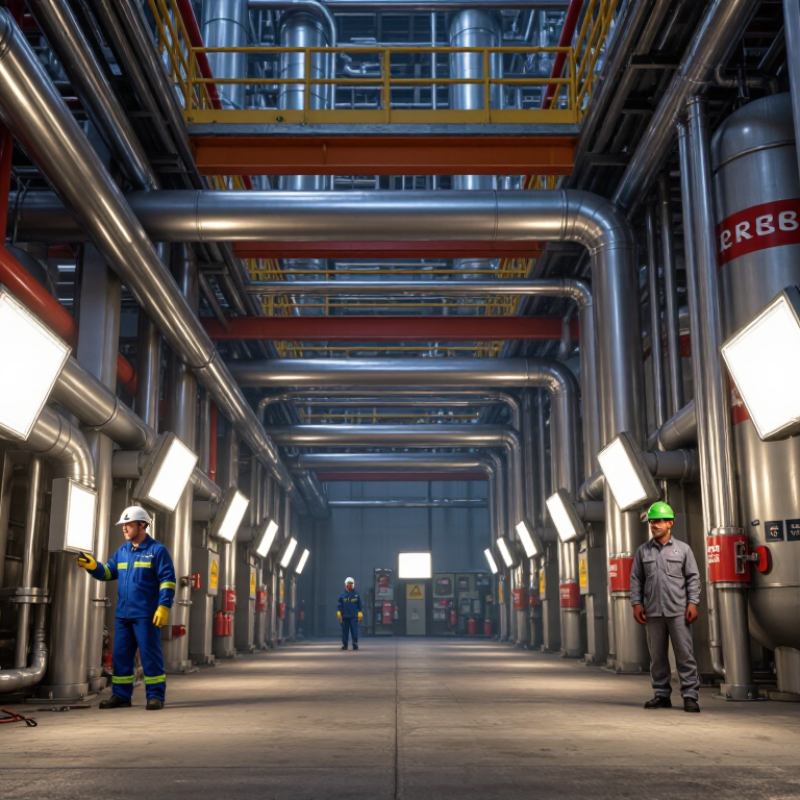
5 Tips Why Chemical Plants Need Explosion Proof Lights?

Chemical Plant Hazards That Make Lighting a Safety-Critical Choice

5 Tips Why Chemical Plants Need Explosion Proof Lights?

Chemical plants contain hazards that ordinary lighting may worsen. Solvent vapors can escape during drum filling, collect near floor drains, and meet a hot electrical surface. Small leaks matter. Fine powders can also suspend in air when workers empty bags or clean equipment. The U.S. Chemical Safety Board’s investigation of the 2008 Imperial Sugar explosion documented 14 deaths and 36 injuries, highlighting the serious risks of combustible dust. Lighting does not prevent every ignition, but poorly selected equipment can add one.

Exposure changes across a plant. A pump room may contain flammable vapor, while a washdown bay brings water, chemicals, and corrosion. NFPA estimated 37,910 U.S. industrial and manufacturing fires each year from 2011–2015, with annual averages of 16 deaths and 273 injuries. That broad figure is not specific to lighting, but it shows why equipment conditions deserve attention.

Fixtures should match the area’s classified hazards, temperature limits, and dust or water exposure. Check labels, seals, and cable entries during inspections. A cracked lens or loose fitting can go unnoticed. Honestly, maintenance schedules can miss these small signs when production is busy. Proper lighting supports visibility; it cannot replace ventilation, housekeeping, or process controls.

How Explosion-Proof Lights Contain Ignition Sources

In chemical plants, lighting must work near vapors, dust, and flammable gases. Explosion-proof lights are designed to contain an ignition source inside a strong enclosure. If an internal fault creates a spark, the enclosure helps keep flames and hot gases from igniting the surrounding atmosphere. Small details matter.

The housing uses tightly fitted joints, often called flame paths, to cool escaping gases before they reach the hazardous area. Rated cable entries and seals help preserve that protection. The fixture’s surface temperature also matters; it must suit the hazards present. Still, an enclosure is not magic. Damage, loose fittings, or the wrong installation can weaken its protection.

Tips: Check the area classification and temperature rating before selecting a fixture. Inspect the housing, lens, joints, and cable entries for corrosion or damage. Follow the manufacturer’s installation instructions, and have qualified personnel handle repairs. Keep inspection records. These steps sound routine, but rushed checks can miss a cracked seal or loose connection. Confirm that the light suits the actual site conditions, not just the room name on a drawing.

Where These Lights Improve Visibility and Reduce Risk

In chemical plants, explosion-proof lights improve visibility where flammable vapors, combustible dust, or process residues may create ignition hazards. Their enclosures are designed to contain an internal ignition and prevent it from igniting the surrounding atmosphere, when the fixtures are correctly selected for the area. Good lighting matters on reactor platforms, in pump rooms, at loading bays, and along narrow pipe racks. Workers need to read pressure gauges, spot leaks, and recognize wet floors before moving equipment. Small details matter.

At tank farms, well-spaced fixtures can reduce deep shadows around valves and ladders. In maintenance areas, clear light helps technicians distinguish wire labels, instrument readings, and early signs of corrosion. Emergency routes also benefit from dependable illumination, especially during a power interruption when maintained backup lighting is available. Yet brighter is not always better. Glare on stainless steel or wet flooring can hide details, so beam angle, mounting height, and fixture spacing deserve attention. A site assessment should consider hazardous-area ratings, cleaning routines, vibration, and access for inspection. Lighting reduces one layer of risk; it cannot replace gas monitoring, safe work procedures, or trained maintenance.

5 Tips: Why Chemical Plants Need Explosion-Proof Lights

Good visibility supports safer inspection, operation, and maintenance. Choose lighting certified for the hazardous area and suited to the task.

How to read this chart: Higher illuminance can support tasks that require more frequent worker attention. These maintained illuminance benchmarks are from EN 12464-1 workplace-lighting guidance for chemical-industry areas; confirm the current standard and local requirements for your site.

Illuminance alone does not make a luminaire safe for an explosive atmosphere. Verify that each light is certified for the area classification and the gases, vapors, or dust present.

Key Features to Check When Selecting Explosion-Proof Lights

5 Tips Why Chemical Plants Need Explosion Proof Lights?

Key Features to Check When Selecting Explosion-Proof Lights

Selecting lights for a chemical plant starts with the actual hazard, not the fixture’s appearance. Check the hazardous-area classification, including gas or vapor group and temperature class. The marking must match the substances and conditions where the light will operate. IEC 60079-0 sets general requirements for equipment used in explosive atmospheres; verify that product documentation identifies the applicable protection method and certification. A heavy metal housing alone proves little.

Next, examine operating temperature, ingress protection, impact resistance, and electrical compatibility. A washdown bay needs suitable protection against water and cleaning chemicals. A hot process area may require a lower maximum surface temperature. Confirm the fixture’s ambient-temperature range and inspect its seals, cable entries, and mounting points. Small details matter. They are easy to miss during a quick purchasing review.

Maintenance matters, too. Choose accessible components and clear inspection instructions, then consider how often crews can safely check the installation. The U.S. Bureau of Labor Statistics recorded 5,283 fatal work injuries across all industries in its 2023 Census of Fatal Occupational Injuries; this broad figure is not specific to chemical plants, but it underscores the importance of disciplined hazard controls. Keep the area classification and equipment records current. One imperfect habit is relying on an old site drawing. Recheck it after process changes.

How Proper Installation and Maintenance Support Safe Operation

Explosion-proof lighting supports safe work in areas where flammable gases or vapors may be present, but the fixture alone is not enough. Proper installation helps preserve its protective design. Check the hazardous-area classification, required temperature rating, and product documentation before selecting a location. Tip 1: Have qualified personnel mount each light according to its instructions, using compatible cable entries and correctly tightened fittings. Small gaps matter.

Tip 2: Keep wiring connections sealed and secure, and protect them from vibration, moisture, and chemical corrosion. A poorly fitted gland can undermine the enclosure. Confirm that supports can carry the fixture’s weight and that the light does not obstruct exits, valves, or inspection points. Installation details are easy to overlook when a shutdown window is short.

Tip 3: Add routine checks to the maintenance schedule. Look for cracked lenses, corroded surfaces, loose fasteners, damaged seals, or signs of overheating. Isolate power before inspection or repair, and use personnel trained for the equipment and area. Replace parts only with compatible components specified for that fixture. Record defects and repairs; a brief note can reveal a recurring problem. Even a tidy inspection checklist may miss something, so review it when plant conditions change.

5 Tips Why Chemical Plants Need Explosion Proof Lights? – How Proper Installation and Maintenance Support Safe Operation

Tip Why It Matters Installation or Maintenance Action Safe-Operation Check
1. Match the light to the classified area Flammable gases, vapors, mists, or combustible dusts may be present in some plant areas. Equipment must be suitable for the specific hazardous-location classification and the substances present. Use the site’s hazardous-area classification documents to select equipment. Confirm the applicable protection method, gas or dust group, temperature rating, and other required markings with a qualified electrical professional. Verify that the luminaire’s certification and markings are appropriate for the installation location; do not rely on appearance alone.
2. Choose equipment certified for the intended use An ordinary light, or a fixture with only a high ingress-protection rating, is not automatically suitable for an explosive atmosphere. Protection requirements depend on the location and applicable codes. Check certification and nameplate information against the project specifications and local requirements, such as applicable NEC hazardous-location rules or IEC 60079 requirements. Keep certification records and installation documentation available for inspection and future maintenance.
3. Install entries, seals, and enclosures correctly Incorrect cable entries, damaged threads, missing seals, or improperly closed covers can compromise the equipment’s certified protection. Use compatible, approved cable glands, conduit fittings, and seals. Follow the fixture instructions and site procedures for thread engagement, sealing, and tightening. Before energizing, check that entries are secure, covers are fully seated, and no required parts are missing or damaged.
4. Plan for the environment and lighting needs Chemical plants can expose equipment to corrosion, moisture, dust, vibration, heat, and washdown. Poor light levels can also make inspections and routine tasks more difficult. Assess ambient conditions, mounting position, cleaning methods, and task-lighting needs. Select materials and enclosure ratings suited to the actual environment and applicable project requirements. Inspect for corrosion, water ingress, loose supports, lens damage, and changes that reduce useful illumination.
5. Maintain lights under controlled procedures Opening or repairing equipment in a hazardous location can create risk if the area has not been made safe or if the equipment is not reassembled correctly. Follow site permit, isolation, and hazardous-area procedures. De-energize before opening unless an approved procedure specifically allows otherwise, and use qualified personnel and the manufacturer’s maintenance instructions. After servicing, confirm correct reassembly, intact seals and fasteners, secure wiring, and completion of required inspection records before returning the light to service.

Note: Hazardous-area classification, equipment selection, installation, and inspection should be determined by qualified personnel in accordance with applicable codes, certifications, site procedures, and manufacturer instructions.

FAQS

Where can explosion-proof lighting improve visibility in a chemical plant?

It can illuminate reactor platforms, pump rooms, loading bays, and narrow pipe racks. Workers can read gauges and spot wet floors.

How can lighting help around tank farms?

Well-spaced fixtures can reduce deep shadows near valves and ladders. Small details matter.

Does brighter lighting always improve visibility?

No. Glare on stainless steel or wet flooring can hide details. Beam angle and mounting height matter.

What should be checked before choosing a fixture location?

Check the hazardous-area classification, temperature rating, product documentation, cleaning routines, vibration, and inspection access.

Who should install these lights?

Qualified personnel should follow the fixture instructions. They should use compatible cable entries and tighten fittings correctly. Small gaps matter.

What installation details help protect the enclosure?

Keep wiring connections sealed and secure. Protect them from moisture, vibration, and chemical corrosion. A loose fitting can undermine protection.

What should routine maintenance inspections look for?

Check for cracked lenses, corrosion, loose fasteners, damaged seals, and overheating. Record defects and repairs.

What should workers do before inspecting or repairing a light?

Isolate power and use trained personnel. Replace parts only with compatible components specified for that fixture. I might be missing a site-specific detail.

Can explosion-proof lighting replace other safety measures?

No. It supports visibility but does not replace gas monitoring, safe work procedures, or trained maintenance. Not always enough.

Conclusion

Chemical plants often contain flammable vapors, combustible dust, and other hazardous materials, so ordinary lighting can become an ignition risk if it produces sparks or excessive heat. Why are explosion-proof lights mandatory for chemical plants? They are designed to contain potential ignition sources within the fixture and help prevent them from reaching hazardous surroundings. In areas such as processing units, storage zones, and inspection points, dependable lighting also helps workers see equipment, identify leaks or spills, and move safely.

When selecting explosion-proof lights, consider the hazardous-area classification, suitable temperature rating, ingress protection, durability, light output, and energy use. The fixture should match the conditions and visibility needs of its installation area. Safe performance also depends on proper installation by qualified personnel, secure connections, and routine inspection and maintenance. Checking for damage, corrosion, loose fittings, or reduced brightness can help keep lighting reliable and support safer plant operations.

Henry

Henry

Henry is a dedicated marketing professional with a profound expertise in the company's offerings. With years of experience in the industry, he possesses an impressive understanding of the market dynamics and consumer behaviors that drive success. Henry is committed to sharing his insights through......