Engineered for extreme performance, efficiency, and structural resilience across diverse architectural projects
An Industry Whitepaper on Market Dynamics, Technical Architecture, and Supply Chain Optimization
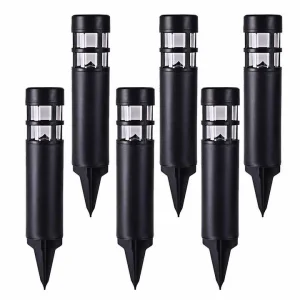
In the contemporary B2B procurement environment, the shift toward sustainable outdoor illumination has transcended basic corporate social responsibility (CSR). Today, it represents a critical, high-ROI engineering decision for municipal project designers, architectural firms, and industrial site planners. High-quality solar pathway lights have evolved from simple garden accents into complex, off-grid power systems designed to provide reliable illumination while minimizing infrastructure installation costs.
By eliminating the need for extensive trenching, high-voltage copper cabling, and grid permits, commercial-grade solar bollards and pathway fixtures significantly reduce initial capital expenditures (CAPEX). As global urban development focuses on smart-city concepts, OEM and ODM manufacturing of customized solar solutions must satisfy demanding requirements: long-term lumen maintenance, robust thermal management, micro-controller based power dispatching, and high durability under extreme environmental conditions.
Modern commercial fixtures utilize monocrystalline PV panels operating at over 21% solar conversion efficiency. This ensures rapid power regeneration even in regions with low direct horizontal irradiance (GHI).
Replacing traditional lead-acid and Ni-MH cells, high-capacity Lithium Iron Phosphate (LiFePO4) batteries deliver up to 3,000 charge-discharge cycles at 80% Depth of Discharge (DoD), along with thermal runaway protection.
Maximum Power Point Tracking (MPPT) micro-controllers dynamically adjust charging parameters to extract peak power from the sun, optimizing charging performance during cloudy or rainy weather.
B2B buyers, EPC contractors, and municipal authorities face unique hurdles when sourcing solar pathway lighting. Standard off-the-shelf fixtures often fail to meet local building codes, wind load ratings, or specific operational profiles.
To achieve reliable, long-term performance, professional buyers must consider key criteria:
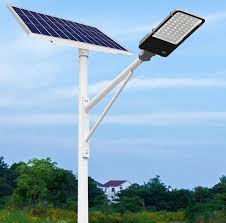
How Yangzhou Boray Light Co., Ltd. Delivers Cost-Effective, High-Quality OEM Customization
Located in Yangzhou, Jiangsu Province—one of China’s leading lighting manufacturing hubs—Yangzhou Boray Light Co., Ltd. integrates R&D, production, sales, and service. Over more than a decade, we have established a highly resilient, vertically integrated supply chain encompassing LED chips, drivers, aluminum housings, batteries, and solar panels. This extensive vertical integration ensures product stability, strict quality control, and timely delivery for critical projects.
Our production facilities utilize modern manufacturing processes to minimize defect rates and optimize raw material usage. Key management personnel, including our plant manager, R&D manager, and international sales manager, have each served the company for over ten years. This stability provides deep industry expertise and consistency across all custom OEM/ODM projects.
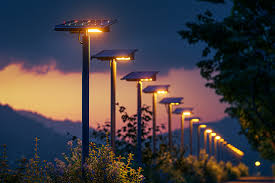
Our engineering team utilizes advanced software, including TracePro, Pro/E, and DIALux, to generate comprehensive optical simulations and lighting calculations. This allows us to customize beam angles and foot-candle requirements for specific path configurations before production begins.
To ensure reliable performance in harsh field environments, our testing protocols include:
Customizing physical aesthetics, electronic components, and lighting controls for regional projects
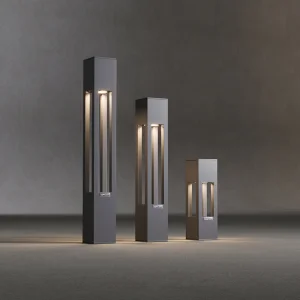
We modify physical shapes, heights, and post diameters to match architectural styles, with customized finishes in standard RAL colors.
Integration of smart control protocols, including Zhaga, NEMA sockets, Dali, DMX512, and NB-IoT nodes, enables central management and remote monitoring.
We match battery and PV panel capacities to local weather conditions, ensuring continuous operation even during multiple consecutive rainy or snowy days.
At Yangzhou Boray Light, we maintain inventory for key materials—such as integrated solar street lights, 80W solar panels, and 6-meter lighting poles—allowing us to support rapid delivery for urgent municipal and commercial project schedules. Our team guides clients from initial conceptual rendering through mockups and structural testing to final mass production, ensuring high reliability for global installations.
How specific engineering parameters address localized environmental challenges
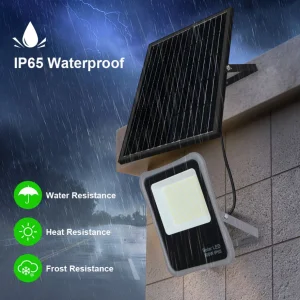
Coastal environments present corrosion challenges due to airborne salt and humidity. Our OEM solutions feature C5-M class anti-corrosion powder coatings, anodized aluminum fasteners, and IP67-rated enclosures to protect internal electronics against saltwater intrusion.
Extreme cold degrades lithium battery capacity and performance. For northern climates, we specify custom heating-wrap LiFePO4 batteries with thermal insulation and specialized BMS controllers that optimize charging and protect the cells from damage in sub-zero temperatures.
Desert heat can degrade standard solar cells and cause thermal runaway in batteries. We build desert-grade pathway lights with heat-dissipating aluminum profiles, high-efficiency monocrystalline panels, and active cooling layouts to manage ambient temperatures up to 60°C.
Addressing technical and logistical questions to assist engineers, buyers, and architects
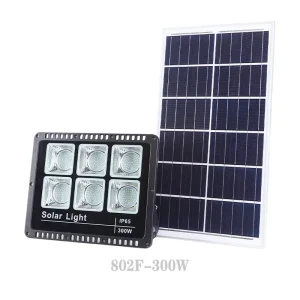
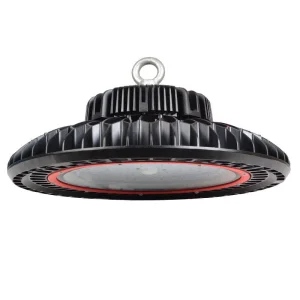
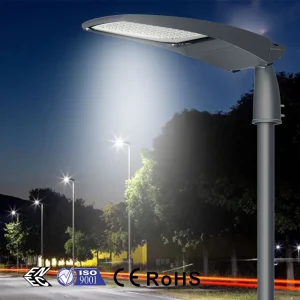
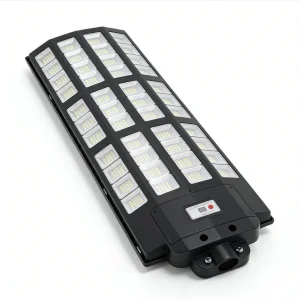
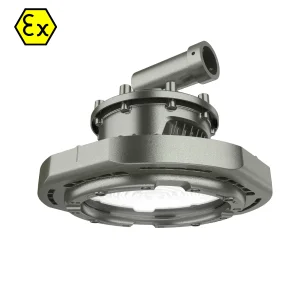
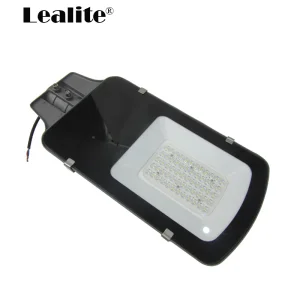
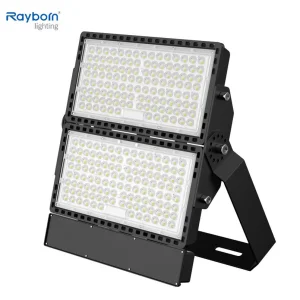
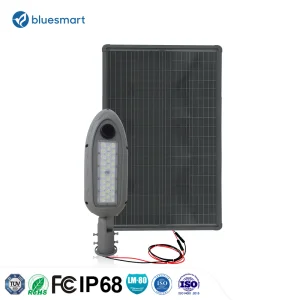
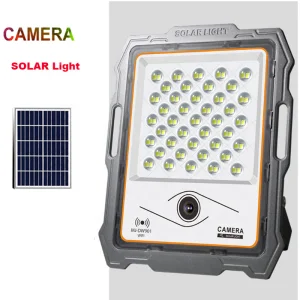
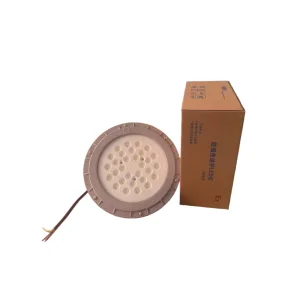
Complementary high-power luminaires for comprehensive site safety and architectural illumination
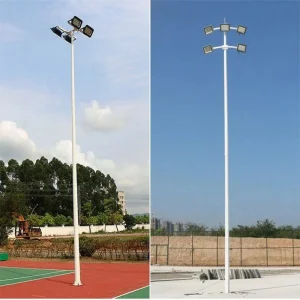
 Boray Light