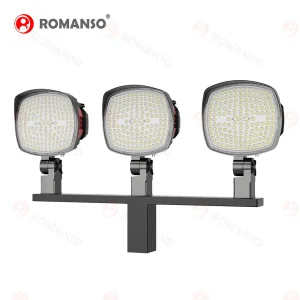
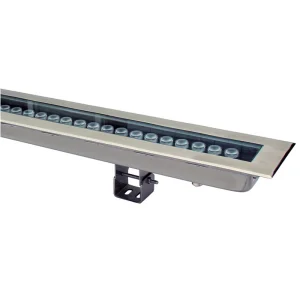
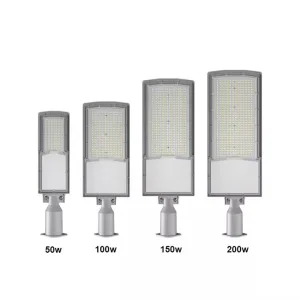
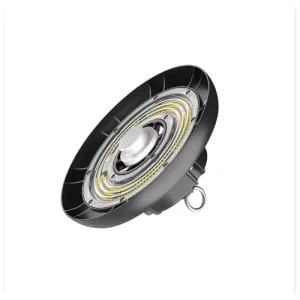
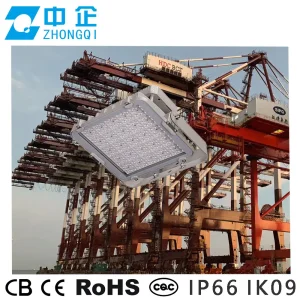
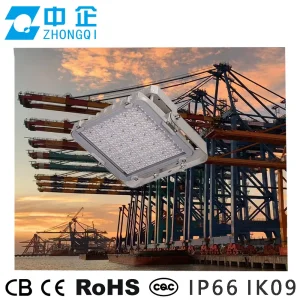
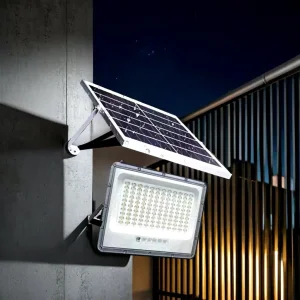
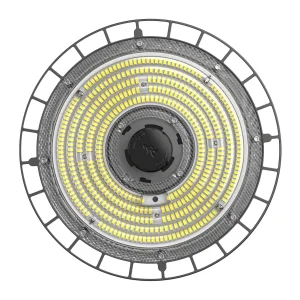
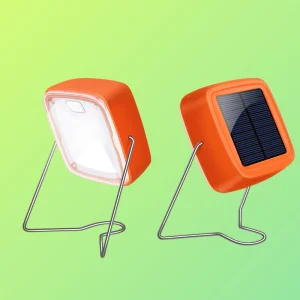
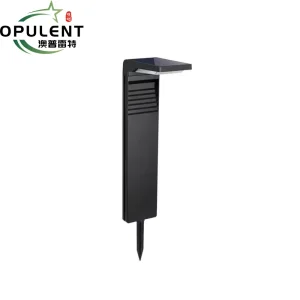
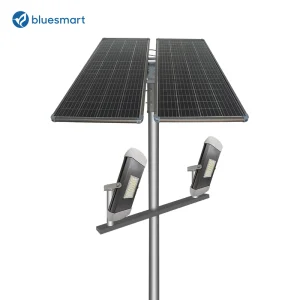
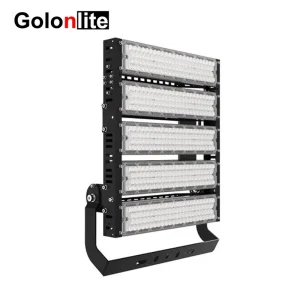
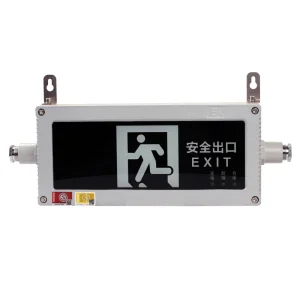
Premium specialized solar and standard line products precision-engineered for maximum output and field reliability.
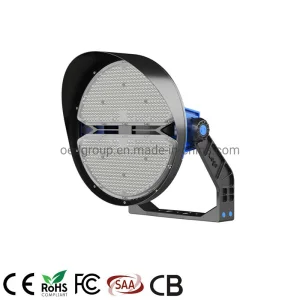
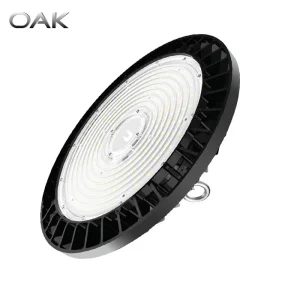
A technical overview of regulatory pressures, technological shifts, and safety priorities across industrial complexes worldwide.
In modern heavy industries, the integration of Explosion-Proof LED lighting systems has transitioned from a standard safety compliance check to a primary driver of operational efficiency and site-wide risk mitigation. Globally, industrial operations in petrochemical processing, offshore oil and gas drilling, underground mining, chemical refining, and bulk grain processing function under strict safety protocols. Historically reliant on traditional high-pressure sodium (HPS) or metal halide (MH) fixtures, these sectors faced substantial issues with thermal build-up, short operating lifetimes, and excessive energy draws.
The shift to high-performance LED modules represents a significant technological leap. In hazardous locations classified under ATEX, IECEx, or NEC/UL844 systems (covering Zone 1/21, Zone 2/22, and Class I Division 1 and 2), lighting systems must be constructed to prevent internal sparks or thermal paths from initiating external combustions. By using solid-state light emitters, these systems lower the external housing temperature (T-rating) while providing high luminous efficacy, often reaching or exceeding 170 lm/W.
Traditional explosion-proof enclosures relied on heavy cast-iron boxes to contain explosions. Modern LED safety designs prioritize preventive protection (Ex e, Ex m, Ex ia) alongside robust flameproof containment (Ex d) to actively limit energy accumulation and thermal dissipation pathways.
Because hazardous locations vary in environmental stressors, modern LED fixtures must be customized to perform reliably under site-specific conditions. The following are typical localized application scenarios:
Highly corrosive salt spray, strong UV rays, and high humidity require robust exterior finishes. Fixtures like our Marine Grade 100W and 150W LED Floodlights feature SS316 stainless steel brackets and multi-layered anti-corrosion coatings to resist degradation in marine and coastal installations.
Combustible dusts in agriculture, grain processing, and sugar refining require dust-tight (IP6X) enclosures. By controlling surface temperatures, these systems prevent grain dust from accumulating and combusting on hot fixtures, eliminating secondary ignition sources.
Chemical processing plants run 24/7 and generate highly volatile organic vapors (Zone 1/Class I Div 1). Precision optical controls direct high-intensity light to processing columns while ensuring the driver components run cool for long-term safety.
A leading Chinese manufacturer supplying LED and solar lighting solutions to municipal, commercial, and industrial markets worldwide.
Yangzhou Boray Light Co., Ltd. is located in Yangzhou, Jiangsu Province—one of China’s leading lighting manufacturing hubs. Founded over a decade ago, Boray Light has grown into a professional manufacturer and supplier specializing in LED lighting and solar solutions, serving clients worldwide with innovative, energy-efficient products.
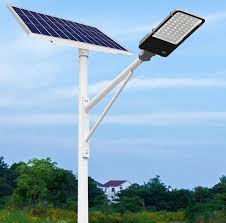
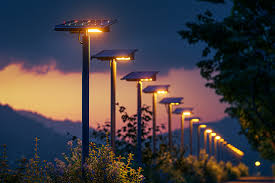
Boray Light integrates R&D, production, sales, and service. With a self-owned modern factory, complete production lines, and advanced testing equipment, the company is dedicated to delivering high-quality and reliable lighting solutions. Our products are widely applied in municipal projects, road and landscape lighting, industrial facilities, and residential spaces. Over the years, we have exported to Southeast Asia, the Middle East, Africa, Europe, and South America, earning a strong reputation for quality and service.
Boray Light designs and manufactures a comprehensive range of LED and solar lighting products. Our outdoor solutions include LED street lights, solar street lights (both all-in-one and split-type), garden lights, landscape illumination, floodlights, and solar security systems. For indoor applications, we produce LED bulbs, tubes, panels, downlights, and flexible LED strips, providing energy-efficient lighting for homes, offices, and commercial spaces.
In industrial and specialized environments, we supply high bay lights, task lighting, and other professional-grade solutions. In addition, Boray Light offers complete solar power systems, including panels, batteries, energy storage units, and on-grid or off-grid systems, complemented by essential accessories such as lighting poles and installation brackets.
Every product is developed with strict attention to detail, from material selection and optical consistency to packaging and delivery, ensuring reliable performance and long-term durability.
Our R&D team, composed of experienced engineers and industry professionals, keeps pace with the latest developments in LED and solar technology. We provide professional lighting design support using advanced tools such as TracePro, Pro/E, and DIALux. Boray Light maintains close collaboration with universities and research institutions to continuously drive innovation and improve product performance.
Boray Light offers a unique combination of high-quality products, competitive pricing, and reliable service. Our integrated supply chain—including LED chips, drivers, housings, batteries, and solar panels—ensures product stability and timely delivery. Key management personnel, such as our plant manager, R&D manager, and international sales manager, have each worked in the company for over ten years, providing professional expertise and continuity.
We also maintain stock for popular items such as integrated solar street lights, 80W solar panels, and 6-meter lighting poles, enabling fast and efficient delivery for urgent projects.
At Yangzhou Boray Light Co., Ltd., we are committed to providing sustainable, energy-saving, and high-performance lighting solutions. Guided by the principles of "Quality First, Customer Foremost, Innovation Driven," we aim to create long-term value for our global partners while contributing to a greener future.
Examining Boray Light's engineering milestones and the strategic integration that stabilizes global distribution networks.
To maintain safety and efficiency in hazardous area lighting, continuous R&D is required. Modern systems must address heat management, optical precision, and power driver reliability. Our engineering department uses a technology roadmap designed to adapt to these evolving demands.
Heavy duty high-power LED installations generate concentrated heat. We use die-cast copper-free aluminum housings with structured fins, utilizing thermal modeling tools to keep internal driver and LED junction temperatures well below the ignition thresholds of volatile gases.
We integrate high-reliability drivers that support DMX512, DALI-2, and 1-10V dimming. Features like smart thermal fold-back protection, built-in 10kV surge suppressors, and wide-input voltage tolerance (100-277V / 347-480V) protect the system from grid fluctuations.
Combining solar power with explosion-proof components allows remote safety signage and security lighting to operate independently of the grid. By using impact-resistant polycarbonate and tempered glass lenses with specific distributions, we maximize vertical target illumination while reducing glare.
Yangzhou's established lighting industrial cluster provides a distinct supply chain advantage. Boray Light leverages this local ecosystem to secure high-quality raw materials, aluminum extrusion services, precise tooling, and surface treatment capabilities. This vertical integration allows us to optimize manufacturing cycles while maintaining rigorous quality control.
Our testing facility performs key validation tests on all finished batches:
Providing certified, reliable performance across complex regulatory frameworks in multiple international markets.
Safety installations are subject to strict regional regulations. As an established exporter, Boray Light ensures its designs comply with key safety standards globally.
For projects in the Middle East, our compliance team works directly with conformity bodies to secure necessary Saber, SASO, and CB IECEE certifications. For European installations, our designs follow the ATEX Directive 2014/34/EU. In global markets, we align our designs with IECEx guidelines to ensure smooth customs clearance and regulatory approval.
Each fixture is clearly marked with its safety classification, gas group compatibility (e.g., IIA, IIB, IIC), temperature class (T1-T6), and IP rating. This clear labeling provides onsite safety inspectors, EPC contractors, and safety engineers with the verification they need during system commission.
Answering key technical questions regarding explosion-proof classifications, design criteria, and compliance protocols.
Reliable commercial, solar, and industrial lighting solutions designed for longevity, high output, and environmental resistance.
 Boray Light